
Theatre of
Dionysus
"Where all the world's a stage, literally."
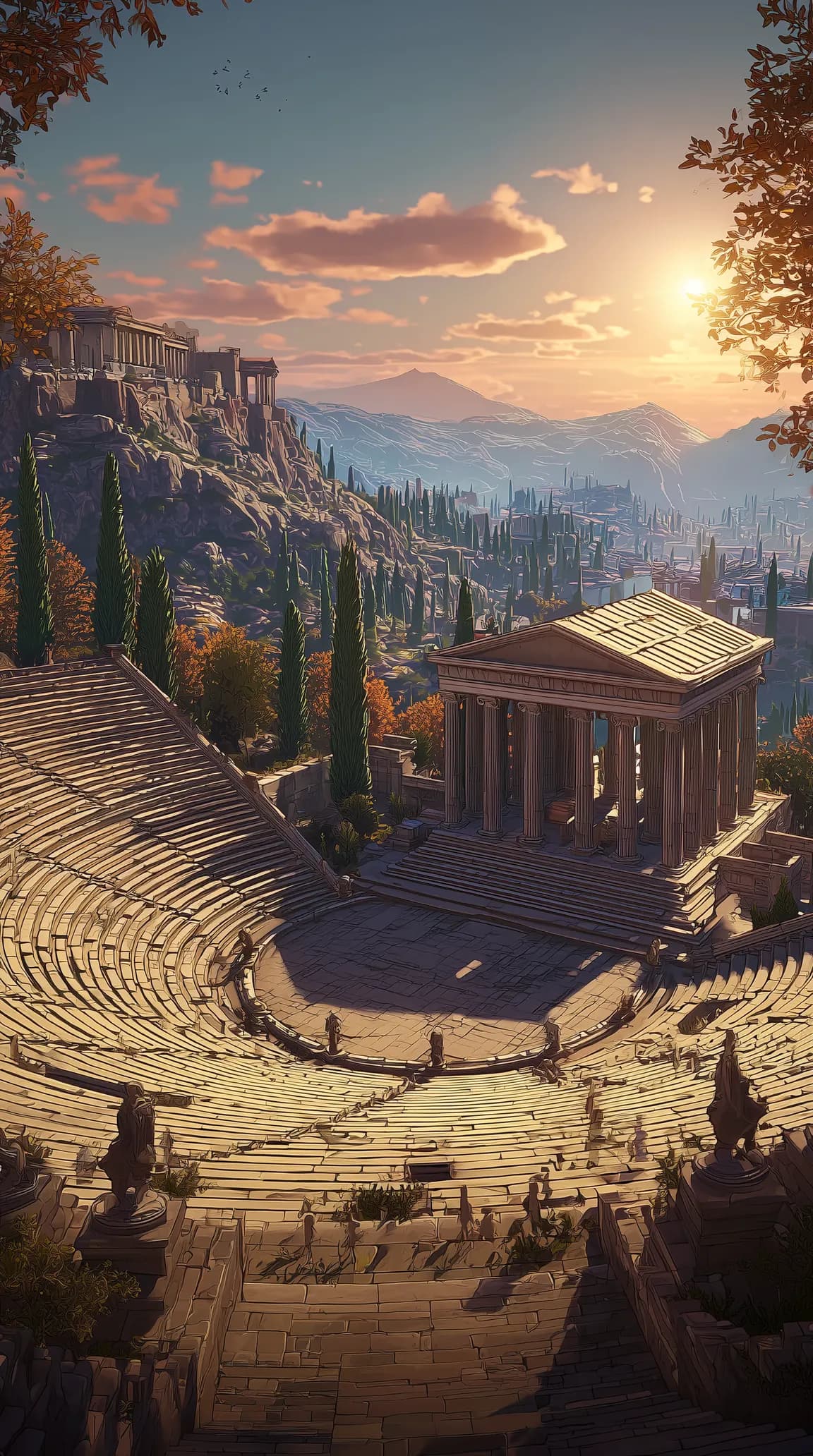
The Theatre of Dionysus (Greek: Θέατρο του Διονύσου) is an ancient Greek theatre located on the southern slope of the Acropolis in Athens, Greece, considered the birthplace of Greek drama and Western theatre. Originally constructed in the 6th century BCE as a simple wooden structure for the City Dionysia festival, it was rebuilt in stone during the 4th century BCE and could accommodate approximately 17,000 spectators. This theatre hosted the premiere performances of tragedies by Aeschylus, Sophocles, and Euripides, and comedies by Aristophanes, establishing the foundational dramatic forms still studied today. Dedicated to Dionysus, the god of wine, fertility, and theatre, the complex included a temple and altar where religious rituals preceded theatrical performances, integrating religious worship with Athenian artistic innovation.
Key Facts About Theatre of Dionysus
- Location: Southern slope of Acropolis, Athens
- Original Construction: 6th century BCE (rebuilt in stone 4th century BCE)
- Capacity: ~17,000 spectators
- Famous For: Birthplace of Greek tragedy and comedy
- Playwrights: Aeschylus, Sophocles, Euripides, Aristophanes premiered here
🎭 What is the Theatre of Dionysus experience?
A spatial audio meditation of about 16 minutes that transports you to the birthplace of Western drama. Experience the ancient theater where Aeschylus, Sophocles, Euripides, and Aristophanes premiered their masterpieces through immersive 3D soundscapes.
What You'll Experience
Step into the theater where Greek drama was born, built in the shadow of the Acropolis. Here, beneath the open sky, thousands of Athenians gathered to witness the birth of tragedy and comedy, experiencing stories of gods, heroes, and human nature that would echo through millennia.
Spatial audio journey • Available on iOS & Android
🎭 "Drama degrees start here, circa 534 BCE."
The Real History Behind Your Journey
Rooted in archaeological evidence and ancient historical sources
🎭 "The original Netflix, but with actual catharsis."
6th Century BCE
Archaeological Evidence
The Theatre of Dionysus is a real archaeological site on the southern slope of the Acropolis in Athens. Built around 534 BCE and rebuilt multiple times, it could seat approximately 17,000 spectators, nearly half of Athens' citizen population during its classical period.
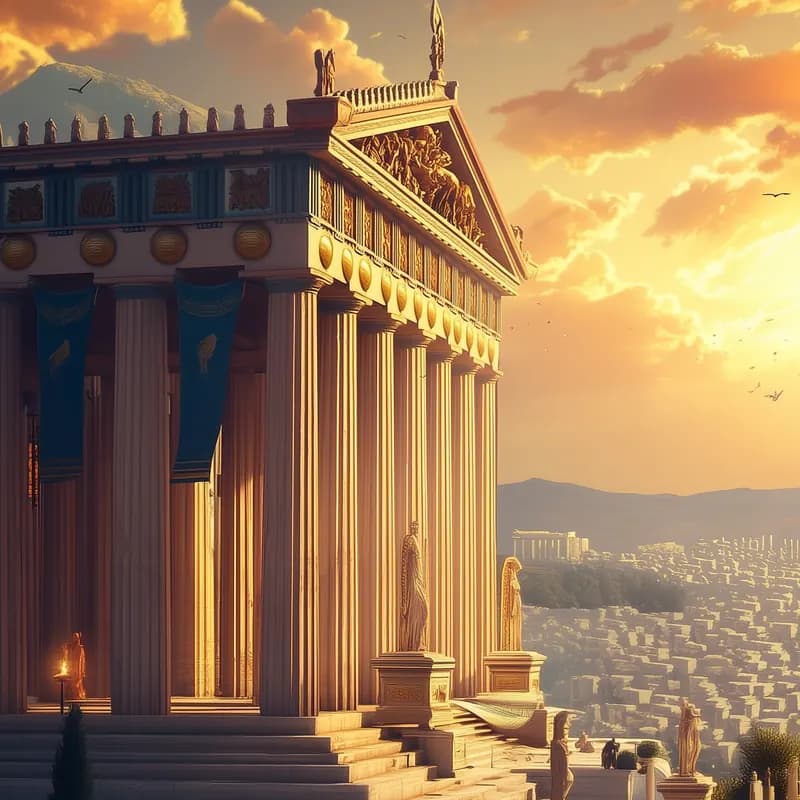
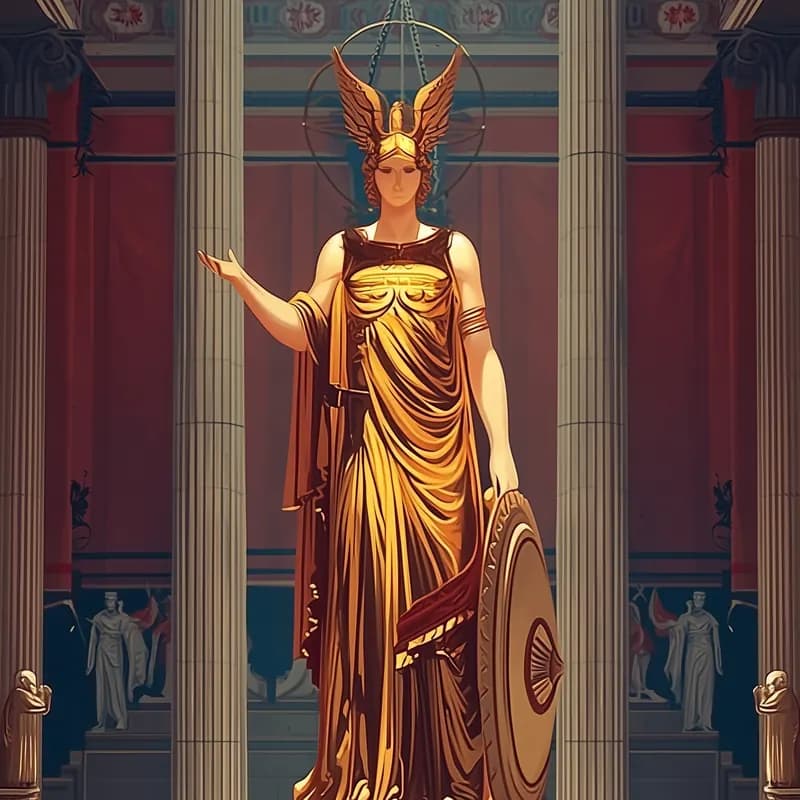
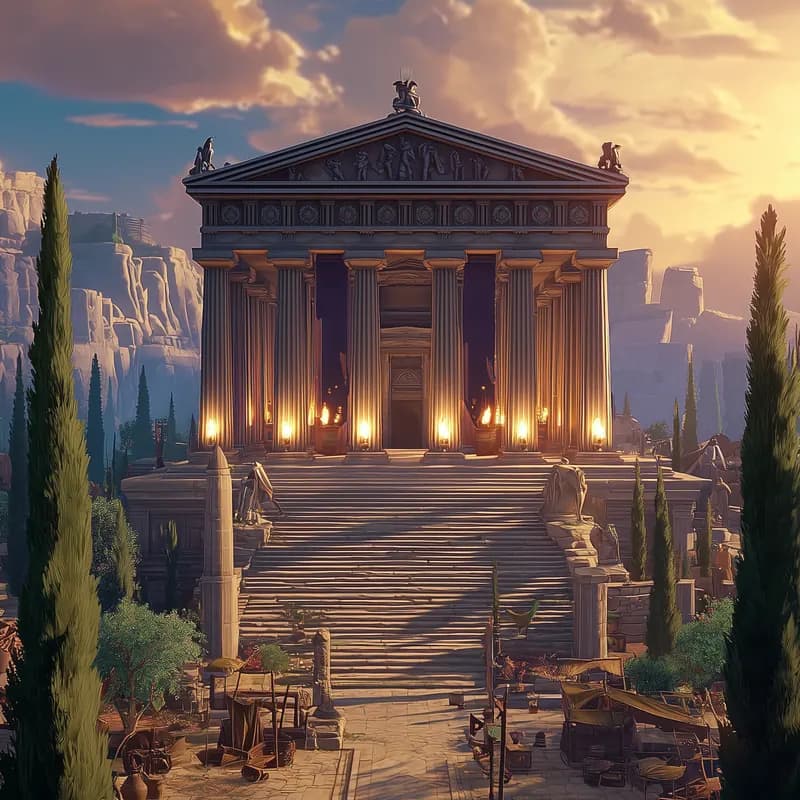
As the birthplace of Western drama, the Theatre of Dionysus was part of Athens' remarkable concentration of cultural venues, including the nearby Panathenaic Stadium (where athletic competitions honored Athena) and the Parthenon above on the Acropolis (Athens' spiritual center), together forming an integrated cultural complex where Athenians gathered for theatrical, athletic, and religious experiences that defined classical Greek civilization.
Discoveries at the Site:
- • Stone seating for 17,000 spectators
- • Orchestra (circular performance space)
- • Altar to Dionysus at center
- • Marble thrones for priests and officials
Primary Sources
Ancient Writers
The dramatic festivals featured in this journey are based on accounts by ancient Greek writers who documented theatrical life and the City Dionysia festival in meticulous detail.
Aristotle (384-322 BCE)
Philosopher, author of "Poetics"
Pausanias (2nd century CE)
Greek geographer & traveler
Plutarch (46-120 CE)
Greek historian & biographer
📜 "Reviews were carved in stone back then."
Divine Patron
Dionysus: The God
Dionysus (Roman Bacchus) was the Greek god of wine, fertility, theater, and ecstasy. Unlike the distant Olympian gods, Dionysus represented liberation, emotional release, and transformation, making him the perfect patron for theatrical performance, where masks allowed citizens to embody different identities and explore universal human emotions.
The City Dionysia festival, held each spring in Athens, combined religious devotion with civic celebration. For five days, normal business stopped as the entire city gathered to honor Dionysus through processions, sacrifices, and the premieres of new tragedies and comedies, a democratic celebration where rich and poor sat together experiencing shared stories.
🍇 "Wine not included in meditation package."
What Athenians Celebrated
Drama & Art
Emotional Truth
Democracy
Wisdom
Why This Theater Matters
The Theatre of Dionysus is where Western drama was born. Here, Aeschylus invented tragedy by adding a second actor to ritual performances. Sophocles added a third actor and painted scenery. Euripides explored psychological complexity. Aristophanes created political satire. These innovations shaped all theater, film, and storytelling that followed.
The theater demonstrates Athens' commitment to democratic culture: tickets were subsidized so even poor citizens could attend, competitions were judged by random citizens, and plays explored controversial topics, questioning gods, criticizing politicians, examining war, grief, justice, and human nature with unprecedented honesty.
🎭 "Ancient Greeks invented binge-watching: 3 tragedies daily."
Visionaria's Approach to History:
This journey draws on historical sources and archaeological evidence (from the theater's stone architecture to the festival atmosphere) alongside the myths Athenians told about their stage. We believe historical detail enhances meditation: when you know you're experiencing real places and authentic cultural practices, the journey becomes more meaningful, educational, and respectful to the civilizations we honor.
Experience Ancient Athens Through Immersive Storytelling
🎭 "Where drama became an art form..."
This cinematic meditation of about 16 minutes isn't a breathing exercise. It's transportation into the birthplace of Western drama at its peak.
Immersive Setting
A Sacred Space Brought to Life
This cinematic meditation transports you to ancient Athens, where the Theatre of Dionysus stands in its original glory, not as archaeological ruins, but as a living performance space filled with thousands of spectators, actors in elaborate masks, and the electric atmosphere of dramatic competition during the City Dionysia festival.
Unlike guided meditations built on generic sounds or abstract visualization, this immersive audio experience recreates a specific historical location with meticulous detail: the Acropolis towering above, stone seats carved into the hillside, the circular orchestra where choruses danced, painted scenery depicting palaces and temples, and the altar to Dionysus at the theater's center.
Its details, from the springtime olive groves to the marble theater seats, draw on archaeological evidence and ancient descriptions, creating an authentic meditation environment that serves both as relaxation and historical education.
Where historical accuracy meets imaginative transportation
3D Spatial Audio
Spatial sound design places you directly inside the theater environment. Hear the stage ahead of you, voices echoing across time, the altar of wine and inspiration humming with sacred fire, and the hillside of the Acropolis around you.
This isn't passive listening. It's active presence. The 3D soundscape engages your brain's spatial awareness, creating the sensation of truly sitting in ancient Athens, making this a deeply immersive meditation experience.
Guided Narrative Storytelling
A narrator guides your visualization meditation, describing ancient architecture, theatrical traditions, and the dramatic art that shaped Western culture with vivid detail that activates your imagination while maintaining a calm, meditative pace.
The narration balances historical education with mindfulness practice, inviting personal reflection on themes like creativity, emotional truth, and storytelling, universal values that connected ancient Athenians to their art and connect you to your own creative spirit.
🎭 "No intermissions in ancient theater."
Unique Approach
Beyond Traditional Meditation
🎭 "Where emotions found their voice..."
A new paradigm for mindful exploration
Most meditation apps ask you to focus on your breath, observe your thoughts, or listen to calming music. While valuable, these approaches don't work for everyone. Some minds crave engagement, story, purpose, and meaning during relaxation.
This cinematic imagination app takes a revolutionary approach: it positions you as the hero of your own story, experiencing legendary civilizations firsthand. Instead of "breathe in for four counts," you're invited to "stand on the stage where Thespis stepped forth." Instead of "clear your mind," you're asked to "witness the birth of tragedy under the Athenian sun."
You're not just meditating. You're experiencing the City Dionysia festival, feeling the presence of Dionysus, and connecting with a culture that valued creativity, emotional honesty, and democratic participation. This invites calm, absorbed focus through engagement rather than emptiness, imagination rather than void, and historical connection rather than abstract mindfulness.
This makes Visionaria perfect for people who find traditional breathing meditation boring, prefer story-based relaxation, love history and drama, or simply want meditation that feels more like an adventure than an exercise.
Educational & Relaxing
Learn about ancient Greek drama, theater architecture, and dramatic festivals while you unwind into relaxation and mental calm.
Emotionally Meaningful
Connect with universal themes of creativity, emotional truth, and storytelling through experiential narrative that resonates personally.
Multi-Purpose Use
Perfect for bedtime stories for adults, sleep meditation, creative inspiration, study breaks, or daily mindfulness practice.
Perfect For:
Theater enthusiasts who want to experience drama's birthplace • Meditation beginners who find breathing exercises boring • Sleep seekers looking for calming bedtime stories • Students studying ancient Greece • Anyone seeking creative inspiration • Writers and actors who need imaginative relaxation • Teachers looking for educational audio resources
🎭 "Athens' version of primetime entertainment."
Continue Through Athens
"Where wisdom was celebrated..."
🎭 "No spoilers for 2,500-year-old plays."
Your Questions Answered
Everything you need to know about this journey
Still have questions?
Download Visionaria and experience the journey for yourself. It's free to start.
Start Your Journey FreeReady to Experience
Ancient Athens?
Download Visionaria and start your journey of about 16 minutes to the Theatre of Dionysus today.
"Tragedy, comedy, and popcorn not included."