
Cliff of
Aristodemus
"Surviving Thermopylae was harder than dying there."
The Cliff of Aristodemus was a legendary site near ancient Sparta, Greece, associated with Aristodemus of Sparta, one of only two Spartan survivors of the Battle of Thermopylae (480 BCE). According to Herodotus, Aristodemus was sent back from Thermopylae due to an eye infection but was subsequently branded a coward (tresantes) by Spartan society for surviving while his comrades died with King Leonidas. This cliff became symbolic of his internal struggle between shame and redemption. He later redeemed himself by fighting with extraordinary bravery at the Battle of Plataea (479 BCE), where he deliberately sought death to restore his honor, embodying the Spartan values that considered death in battle more honorable than survival with dishonor.
Key Facts About Cliff of Aristodemus
- Location: Near ancient Sparta, Greece
- Historical Figure: Aristodemus, Spartan survivor of Thermopylae
- Famous For: Symbol of shame, honor, and redemption in Spartan culture
- Redemption: Fought heroically at Battle of Plataea (479 BCE)
- Source: Herodotus' Histories (Book 7 and 9)
The Cliff of Aristodemus embodies Thermopylae's aftermath: while the Battlefield at Thermopylae witnessed the heroic last stand of 300 Spartans under King Leonidas (whose sacrifice was immortalized at the Tomb of Leonidas), Aristodemus survived due to illness and faced devastating social death in Sparta. This cliff symbolizes the survivor's guilt and cultural shame he endured, demonstrating that Spartan honor culture valued glorious death over pragmatic survival, creating a profound contrast between Leonidas' celebrated martyrdom and Aristodemus' redemption-seeking struggle at Plataea, where only dying heroically could restore honor lost by surviving Thermopylae.
⛰️ What is the Cliff of Aristodemus experience?
An imaginative journey exploring the emotional turmoil of Aristodemus, the Thermopylae survivor who faced Spartan shame. Picture his contemplation at the cliff edge and his path to redemption; it is not a Visionaria episode yet, but the Battlefield at Thermopylae episode takes you to the pass he left.
Free to start • Available on iOS & Android
⚔️ "Sometimes the hardest battle is living with yourself."
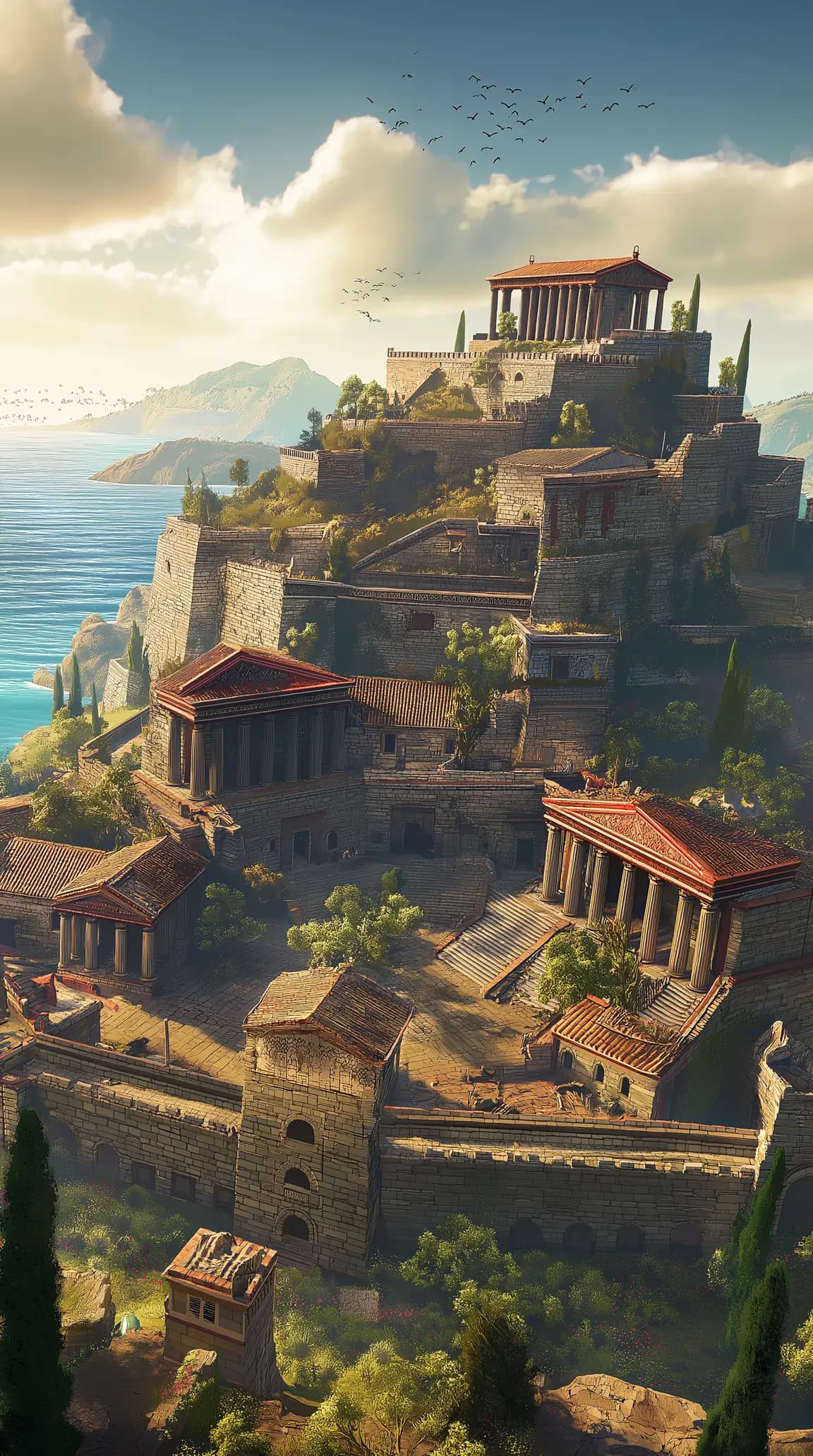
The Real History Behind Aristodemus
The ancient accounts and historical evidence behind Aristodemus's story
💔 "When coming home alive was the worst fate possible."
Primary Sources
Ancient Writers Document His Story
The story of Aristodemus is documented by Herodotus, the "Father of History," in his monumental work The Histories (Book VII). Herodotus specifically names Aristodemus as one of two Spartans sent away from Thermopylae before the final stand due to severe eye infections. While his companion Eurytus returned to die with the 300, Aristodemus survived and returned to Sparta.
Herodotus (484-425 BCE)
Greek historian who documented the Persian Wars
Plutarch (46-120 CE)
Documented Spartan culture and values
Pausanias (2nd century CE)
Greek geographer who described Sparta
📜 "Even ancient historians felt bad for him."
479 BCE
Archaeological Evidence
The Battle of Thermopylae (480 BCE) and the Battle of Plataea (479 BCE) where Aristodemus found redemption are historically documented events with archaeological evidence. The narrow pass at Thermopylae, the Persian invasion routes, and the battlefield at Plataea have all been studied extensively by historians and archaeologists.
Historical Facts:
- • Thermopylae: August 480 BCE (300 Spartans died)
- • Aristodemus branded "trembler" upon return
- • Plataea: August 479 BCE (His redemption)
- • Fought with "berserker fury" and died gloriously
Herodotus notes that despite his heroic death, some Spartans still denied him honors because he broke formation, seeking death rather than disciplined valor.
Spartan Values
Understanding "Trembler" Status
In Spartan society, being branded a "trembler" (tresantes in Greek) was a fate worse than death. These were men who had shown cowardice in battle or survived when they were expected to die with their comrades. The social punishment was severe and comprehensive.
Tremblers were forbidden from holding public office, could not marry Spartan women, were required to step aside on streets when full citizens approached, faced physical abuse without legal recourse, and were excluded from communal meals and religious ceremonies. Even their family members faced social stigma. No one would give them fire for their hearth, a devastating symbolic and practical exclusion in ancient Greece.
This context makes Aristodemus's psychological torment profoundly real. He was alive but socially dead, trapped between the dishonor of his survival and the impossibility of reclaiming his status, until one final chance at Plataea.
⚔️ "Sparta's version of an unfriend button was permanent."
Universal Themes
Shame & Guilt
Redemption
Social Rejection
Second Chances
Why Aristodemus's Story Resonates Today
While the specifics are ancient, the emotional journey of Aristodemus mirrors struggles many people face: survivor's guilt, social isolation after perceived failure, the weight of others' expectations, and the desperate need for redemption. His story speaks to anyone who has felt they disappointed those who mattered most.
The cliff represents a universal human moment: standing at the edge of despair, contemplating whether to end the pain or find a way forward. Aristodemus chose forward, and his story became one of ultimate redemption through courage. That's why this 2,500-year-old tale still has the power to move us.
💪 "From zero to hero, Spartan style."
About This Imaginative Journey:
The story on this page (from Aristodemus's documented eye infection to the social punishment of "trembler" status to his final berserker charge at Plataea) comes from Herodotus's historical accounts and scholarly research. His inner emotional state and the cliff setting are imagined, but the historical framework, Spartan cultural practices, and the arc from shame to redemption are all grounded in ancient sources. We believe history enhances emotional resonance: knowing this really happened makes the story more powerful.
Experience Aristodemus's Story Through Immersive Audio
💔 "Where the cliff edge became a crossroads..."
This imaginative journey isn't traditional relaxation. It's an emotional visualisation through one of history's most powerful stories of shame, contemplation, and redemption.
Immersive Setting
A Windswept Cliff Edge
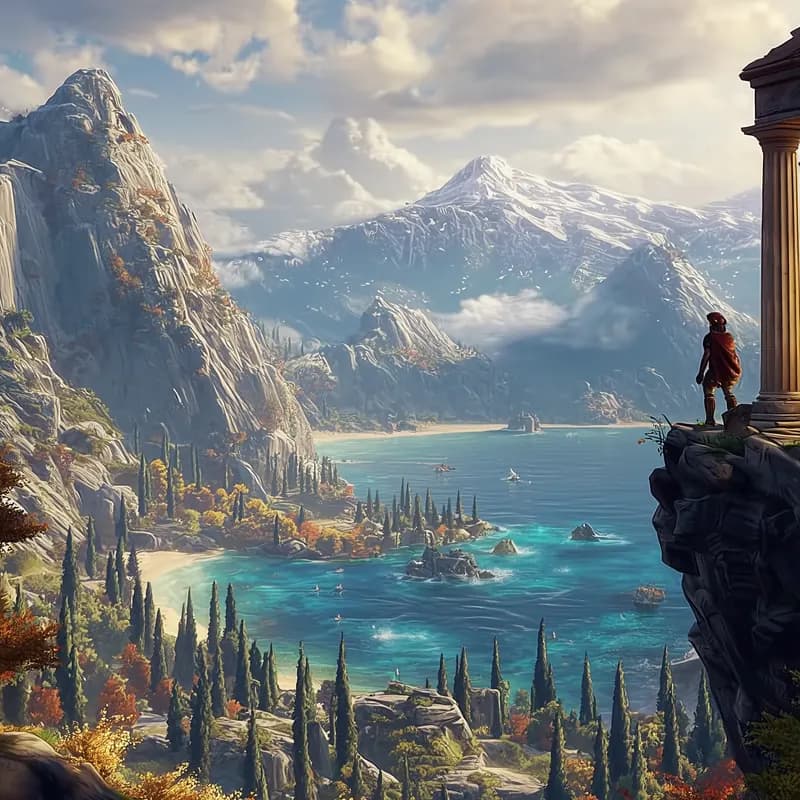
This emotional meditation places you on a dramatic cliff overlooking ancient Sparta, with Aristodemus standing at the precipice both literally and metaphorically. Picture the sensory experience: wind howling around you, waves crashing on rocks far below, distant voices from the city that has rejected him, and the crushing silence of isolation.
Instead of an abstract scenario, this visualisation recreates a specific historical and emotional moment: the Taygetus Mountains in the distance, the sound of Sparta's agora where he's no longer welcome, memories of Thermopylae that echo in his mind, and the physical sensation of standing at a life-altering decision point.
Every element, from the wind to the distant city to his inner monologue, builds an emotional environment that serves as both a powerful meditation on difficult feelings and a historically grounded story of human resilience.
Where emotional truth meets historical storytelling
Spatial Imagination
Visionaria's episodes use spatial audio and spatial sound positioning to place you inside a scene. Here, imagine it at the cliff edge: waves crashing to your left, wind howling around you, distant Spartan voices behind you, and memories echoing from different directions.
This isn't passive reading. It's emotional presence. Picturing the space around you creates visceral feelings of isolation, height, and dramatic tension that mirror Aristodemus's psychological state.
Inner Monologue Storytelling
The story follows Aristodemus's inner emotional journey: his racing thoughts, memories of Thermopylae, the weight of shame, and the slow emergence of a redemptive purpose. It balances historical context with deeply personal emotional exploration.
The storytelling invites reflection through emotional engagement rather than emptiness, on themes like failure, social rejection, survivor's guilt, and finding purpose after profound loss: universal human experiences wrapped in an ancient tale.
⚔️ "Character study: ancient Sparta edition."
Unique Approach
Beyond Traditional Meditation
💭 "Where emotional depth meets ancient courage..."
A story about difficult emotions
Most meditation apps focus on breathing, clearing your mind, or abstract relaxation. While valuable, these approaches don't help everyone process complex emotions like shame, failure, social rejection, or the need for redemption.
This emotional storytelling app takes a revolutionary approach: it lets you experience someone else's difficult journey through immersive narrative. Instead of "observe your thoughts without judgment," you're invited to "stand at the cliff edge with Aristodemus, feeling his shame and his gradual path toward redemption." Instead of "let go of negative emotions," you "witness how one man transformed crushing failure into legendary courage."
You're not just relaxing. You're processing survivor's guilt, understanding social isolation, and witnessing redemption through action. This creates emotional catharsis and perspective shift through story immersion rather than breath counting, historical connection rather than generic scenarios, and character identification rather than abstract mindfulness.
This makes Visionaria perfect for people processing failure or shame, seeking inspiration through historical courage, dealing with social rejection, contemplating second chances, or simply wanting meditation that feels more like emotional storytelling than breathing exercises.
Emotionally Processing
Work through feelings of failure, shame, or rejection by experiencing someone else's journey from despair to redemption, gaining perspective and emotional distance.
Inspirationally Powerful
Connect with themes of second chances, redemption, and courage after failure through a real historical figure who transformed his greatest shame into legendary honor.
Multi-Purpose Experience
Use for quiet reflection, inspiration before challenges, study of Greek history, creative storytelling inspiration, or as a powerful bedtime story for adults.
Perfect For:
Anyone processing failure or shame • People seeking redemption stories that inspire • History enthusiasts who love ancient Greek tales • Students studying Thermopylae and Plataea • Anyone dealing with social rejection or isolation • Meditation seekers who want emotional depth • Those contemplating second chances in their own lives
💪 "Sparta's most inspiring comeback story."
Continue Through Sparta
"More legends. More redemption. More glory."
⚔️ "Where warriors earned their second chances."
Your Questions Answered
Everything you need to know about this journey
Still have questions?
Download Visionaria and hear the Sparta episodes for yourself. It's free to start.
Try Visionaria FreeFind Your Path to
Honor & Redemption
Download Visionaria and stand at Thermopylae, where the story of Aristodemus began.
"Because everyone deserves a second chance at glory."