The Origins of Dragons Across World Mythology
💡 Fun fact: Dragons don't do cardio: they prefer to wing it. (And yes, that's the first of ten dragon jokes you'll find throughout this article!)
- What Are Dragons?
- Chinese Dragons: Symbols of Power and Fortune
- European Dragons: Legendary Guardians and Challenges
- Japanese Ryu: Serpentine Water Deities
- Norse Dragons: Ancient Wisdom Keepers
- Middle Eastern Dragons: Tiamat and Creation Myths
- Mesoamerican Feathered Serpents: Quetzalcoatl
- African Dragon Mythology
- Dragon Symbolism Across Cultures
- The Modern Dragon Legacy
- Experience Dragon Mythology in Visionaria
- Frequently Asked Questions
Imagine standing before a colossal dragon in ancient mythology scales shimmering like jewels, wisdom radiating from eyes that witnessed creation itself. This isn't mere fantasy. It's the power of dragon myths that have captivated humanity for millennia.
Dragon mythology represents one of humanity's most widespread and enduring cultural phenomena, with legendary serpentine creatures appearing in the folklore and sacred texts of civilizations across Asia, Europe, the Middle East, the Americas, and Africa. These magnificent beings whether depicted as wise guardians, fearsome challenges, or divine messengers embody each culture's deepest values, fears, and aspirations about power, transformation, and the mysteries of the natural world.
Today, dragons continue to captivate us in literature, film, art, and immersive storytelling experiences, demonstrating how these ancient myths still speak to modern audiences. Whether you encounter them in epic fantasy worlds or through interactive audio journeys that bring mythology to life, dragons remain powerful symbols of transformation, wisdom, and the timeless human quest for meaning.
"Why don't dragons ever win at poker? Everyone can see their tells they're literally breathing fire."
Key Facts About Dragon Mythology
- •Global Phenomenon: Dragon myths appear independently in China, Europe, Japan, Norse cultures, Middle East, Mesoamerica, and Africa
- •Ancient Origins: The Mesopotamian dragon Tiamat appears in texts from around 2000 BCE, making her one of the oldest recorded dragon myths
- •Cultural Contrast: Eastern dragons (Chinese, Japanese) are typically benevolent water deities, while Western dragons often represent challenges to overcome
- •Universal Symbolism: Dragons consistently represent primordial power, transformation, wisdom, and the forces of nature across all cultures
- •Modern Influence: Dragon mythology continues to shape literature, film, games, and contemporary storytelling worldwide
- •Fossil Theory: Many scholars believe ancient peoples encountering dinosaur fossils may have inspired dragon myths across cultures
- •Divine Connection: Dragons often serve as intermediaries between earthly and divine realms, embodying cosmic forces and sacred wisdom
Quick Answer
Explore the fascinating origins of dragon mythology across Chinese, European, Japanese, Norse, and other ancient cultures. Discover how these legendary creatures symbolize power, wisdom, and transformation in world mythology.
What Are Dragons?
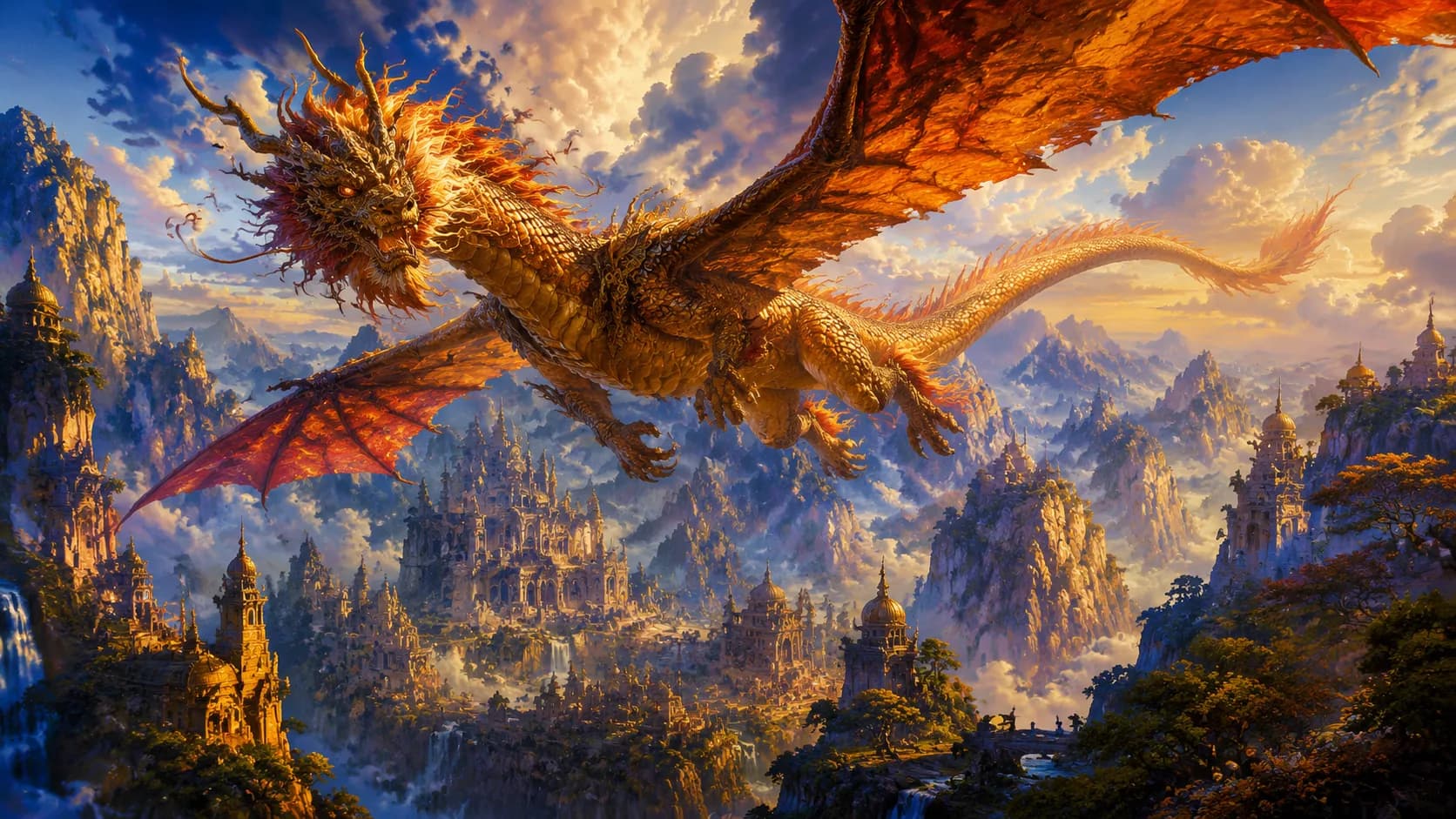
Dragons are legendary creatures that appear in mythology across virtually every human civilization, typically depicted as large, serpentine beings with reptilian features, though their specific characteristics vary dramatically between cultures. In Western traditions, dragons usually possess wings, breathe fire, and guard treasure or challenge heroes, while Eastern dragons are often wingless, serpentine, associated with water, and revered as benevolent symbols of divine power and fortune.
The word "dragon" derives from the Latin draco and Greek drakōn, meaning "serpent" or "giant sea fish," reflecting these creatures' aquatic and reptilian associations. Ancient texts describe dragons as embodying primordial forces chaos and order, creation and transformation, wisdom and danger making them among the most complex and symbolically rich creatures in world mythology.
Common dragon features across cultures include scales or armored skin, serpentine bodies (whether elongated or compact), association with elemental forces (fire, water, wind, earth), supernatural wisdom or intelligence, and immense power that transcends ordinary creatures. Yet the specific manifestation of these traits whether a dragon has wings or not, breathes fire or controls water, represents good fortune or dangerous challenges reveals profound truths about each culture's worldview and values.
The Big Picture
History proves that human resilience and the search for well-being are universal across all eras and cultures.
Modern scholars propose various theories for dragon myths' universal presence. The fossil theory suggests ancient peoples discovering dinosaur bones created dragon legends to explain these mysterious remains. The psychological theory posits that dragons represent archetypal fears and aspirations embedded in the human psyche. The natural phenomena theory suggests dragons embody observations of powerful natural forces storms, floods, earthquakes, wildfires personified as conscious beings. Each theory offers insights, and likely all contribute to dragons' enduring presence in human mythology.
Key Facts About Dragon Mythology
"Chinese dragons never need umbrellas they bring the rain AND the sunshine."
A time traveler went back to antiquity to teach them about 'holistic health.' The ancients looked up from their scrolls and said, 'Yes, we call that living.'
Chinese Dragons: Symbols of Power and Fortune
In Chinese culture, dragons (龍, lóng) represent the ultimate symbol of power, fortune, wisdom, and imperial authority. Unlike their European counterparts, Chinese dragons are overwhelmingly benevolent creatures associated with water, rainfall, rivers, and the sea essential elements for agricultural prosperity in ancient China. These magnificent serpentine beings possess deer horns, camel heads, rabbit eyes, snake necks, frog bellies, carp scales, eagle claws, and tiger paws, combining features from nine different animals into one harmonious divine form.
Chinese dragon mythology dates back over 4,000 years, with archaeological evidence of dragon imagery appearing on Neolithic jade artifacts and bronze vessels from the Shang Dynasty (1600-1046 BCE). These early dragons were already associated with water deities and agricultural abundance, reflecting their role as rain bringers essential for crop cultivation. The Dragon King (龍王, Lóng Wáng) rules over the seas and weather, commanding vast underwater palaces described in classical texts like Journey to the West.
Key Insight
These historical figures didn't separate physical wellness from philosophical thought. To them, it was all one continuous practice of living well.
The five clawed dragon became the exclusive symbol of the Chinese emperor during the Ming Dynasty, representing the Son of Heaven's divine mandate to rule. Imperial robes featured intricate dragon embroidery, thrones were called "dragon seats," and the emperor's face was the "dragon face." This connection between dragons and imperial power reinforced the belief that emperors possessed divine authority, blessed by heaven to govern the Middle Kingdom with wisdom and transformative power.
Chinese dragons are also intimately connected to the concept of qi (氣), the vital life force flowing through all things. Dragons embody and control this cosmic energy, their serpentine movements representing the undulating flow of qi through mountains, rivers, and the body. Feng shui practitioners analyze landscape "dragon veins" to determine auspicious locations for buildings and burial sites, believing these invisible energy channels connect earthly geography to celestial forces.
Today, Chinese dragons remain potent cultural symbols, celebrated during festivals, appearing in art and architecture, and representing Chinese identity worldwide. The Dragon Boat Festival honors the poet Qu Yuan with dragon-shaped boats racing across waters, while dragon dances during Chinese New Year bring fortune and ward off misfortune. This enduring reverence demonstrates how ancient mythology continues shaping modern cultural practices and collective imagination.
"European dragons have the best retirement plans just hoard gold for a few centuries and you're set."

Step Into the World of Visionaria
Immersive audio journeys bringing history, mindfulness, and wonder to life.
An Epicurean, a Stoic, and a Cynic walk into a garden. The bartender says, 'Is this some kind of philosophical joke?'
European Dragons: Legendary Guardians and Challenges
European dragon mythology presents a stark contrast to Eastern traditions, depicting dragons primarily as formidable challenges that heroes must overcome through courage, cunning, and virtue. These winged, fire breathing creatures typically guard vast treasure hoards in mountain caves or remote lairs, representing the ultimate test of a warrior's mettle and worthiness. From Beowulf's final confrontation with a treasure hoarding dragon to Saint George's legendary encounter, European dragons embody obstacles on the path to glory and transformation.
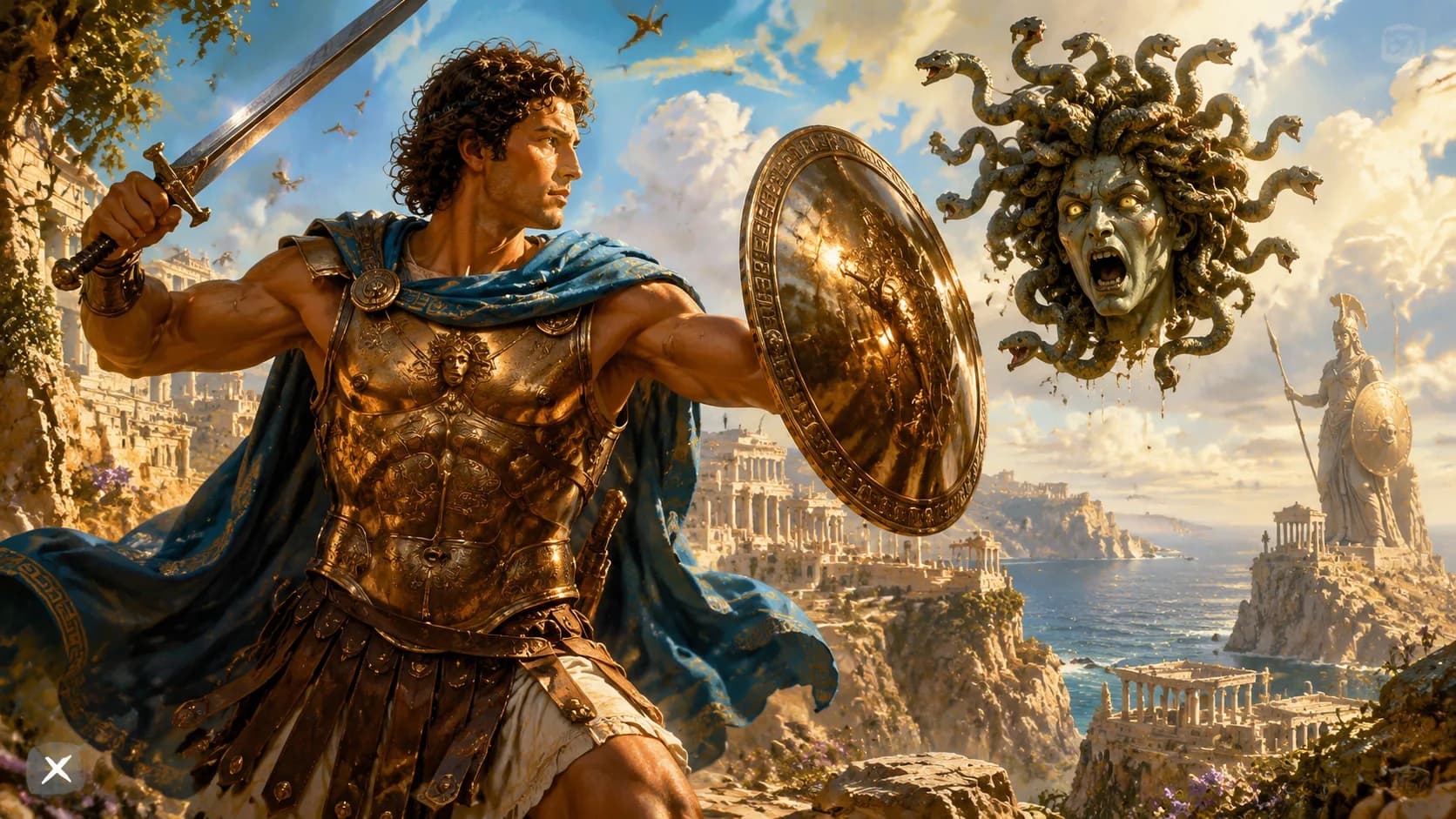
Ancient Greek and Roman mythology features numerous dragon-like creatures. The hundred headed serpent Typhon challenged Zeus himself, representing primordial chaos threatening divine order. Python, the serpent guarding Delphi's oracle, fell to Apollo's arrows, establishing the god's sacred sanctuary. The Colchian Dragon guarded the Golden Fleece until Jason's quest, while Ladon protected the golden apples of the Hesperides in one of Heracles' legendary labors. These Greek dragons served as threshold guardians, testing heroes' worthiness to claim divine prizes or sacred knowledge.
Medieval European Christianity transformed dragon symbolism, often associating them with Satan and forces that righteous saints must overcome. The legend of Saint George and the Dragon epitomizes this tradition: a noble knight rescuing a princess and saving a kingdom by vanquishing a fearsome dragon, representing Christianity's triumph over paganism and chaos. Similarly, Saint Margaret of Antioch and Saint Michael feature dragon narratives, establishing these creatures as symbols of challenges to faith and virtue that devotion and courage can overcome.
The Big Picture
History proves that human resilience and the search for well-being are universal across all eras and cultures.
The wyvern, a two-legged dragon variation, appears prominently in British heraldry and medieval bestiaries, symbolizing valor and protection. Unlike four-legged dragons, wyverns possess a more serpentine appearance with barbed tails, representing a distinct creature in the taxonomy of fantastic beasts. These heraldic dragons adorned noble family crests, city emblems, and ancient flags, demonstrating their symbolic power beyond mere folklore into civic and family identity.
European dragon mythology also emphasizes the creature's intelligence and greed. The dragon the treasure-hoarding dragon of classic high fantasy in a classic quest story, inspired by Norse and Anglo Saxon traditions, exemplifies the cunning, treasure hoarding dragon whose greed leads to isolation and eventual downfall. This characterization reflects medieval concerns about avarice and worldly attachment, positioning dragons as cautionary figures embodying the corrupting influence of material wealth and the importance of transformation through heroic virtue.
"Japanese dragons never get lost at sea they've got great kami passes."
Why did the inventor of the wheel win an award? Because his idea really got things rolling.
Japanese Ryu: Serpentine Water Deities
Japanese dragon mythology, while sharing Chinese origins, evolved unique characteristics reflecting Japan's island geography and Shinto Buddhist spiritual traditions. Japanese dragons, called 龍 (ryū) or 竜 (tatsu), are predominantly water deities associated with oceans, rivers, lakes, and rainfall crucial elements for Japan's rice farming culture. Unlike Chinese dragons with five claws, Japanese ryū typically possess three claws, symbolizing their distinct identity within East Asian dragon traditions.
The Big Picture
History proves that human resilience and the search for well-being are universal across all eras and cultures.
The Dragon King (Ryūjin or Ryū ō) dwells in a magnificent underwater palace called Ryūgū jō, commanding the tides and sea creatures while safeguarding treasures including the tide jewels (kanju) that control oceanic movements. Legendary tales describe visiting Ryūjin's palace as a transformative experience where time flows differently the fisherman Urashima Tarō spent what seemed like days in the palace, only to return home centuries later, a cautionary tale about the allure of otherworldly realms and the irreversible passage of time.
Japanese dragons often serve as guardian deities (kami) of specific locations particular mountains, rivers, or shrines embodying the Shinto belief that divine spirits inhabit natural features. Mount Fuji, sacred mountain temples, and waterfalls throughout Japan honor dragon kami through festivals, offerings, and sacred architecture. The Benzaiten, goddess of wisdom and the arts, rides a white dragon, illustrating these creatures' association with divine knowledge and creative inspiration.
The transformation motif appears prominently in Japanese dragon lore. Some legends describe how carp swimming upstream and leaping over waterfalls transform into dragons, representing perseverance, ambition, and the potential for transcendence through dedicated effort. This imagery inspired the koinobori (carp streamers) displayed during Children's Day, symbolizing parents' hopes for their children's growth, strength, and transformation into powerful beings of wisdom and virtue.
Japanese dragon art emphasizes their serpentine grace and connection to natural elements. Scroll paintings depict dragons emerging from storm clouds, coiling through waves, or ascending waterfalls in dynamic compositions that capture these creatures' fluid power. Modern Japan continues celebrating dragon imagery in festivals, architecture, and contemporary storytelling, demonstrating how ancient mythology adapts to serve modern cultural expression while maintaining its essential spiritual significance.
"Norse dragons don't use GPS they just follow the roots of Yggdrasil to get around the nine realms."
A philosopher walked into a wall. His students asked if it hurt. He replied, 'The wall is an illusion, but my headache is quite real.'
Norse Dragons: Ancient Wisdom Keepers
Norse mythology features dragons as primordial beings embodying ancient wisdom, cosmic forces, and the eternal cycles of creation and transformation. The most famous Norse dragon, Níðhöggr, dwells at the roots of Yggdrasil, the World Tree connecting all nine realms. This serpentine dragon continuously gnaws at the tree's roots while an eagle perches in its crown, their eternal conflict representing the dynamic tension between opposing forces that maintains cosmic balance.
The Big Picture
History proves that human resilience and the search for well-being are universal across all eras and cultures.
The Völsunga Saga tells of Fáfnir, originally a dwarf who transformed into a dragon through his overwhelming greed for cursed treasure. The hero Sigurd (Siegfried) faced this legendary creature, acquiring dragon's blood that granted him understanding of bird speech and prophetic wisdom. Fáfnir's story explores themes of transformation, greed's corrupting power, and the knowledge gained through confronting one's deepest challenges lessons that resonate through Norse mythology's profound teachings.
Norse dragon ships (drakkar) bore dragon figureheads on their prows, designed to intimidate enemies and honor these powerful creatures' association with strength and fearlessness. Viking warriors believed these dragon symbols channeled primordial power, protecting vessels during voyages and conquests. The dragon's fierce countenance embodied Norse values of courage, resilience, and the warrior spirit that defined ancient military cultures.
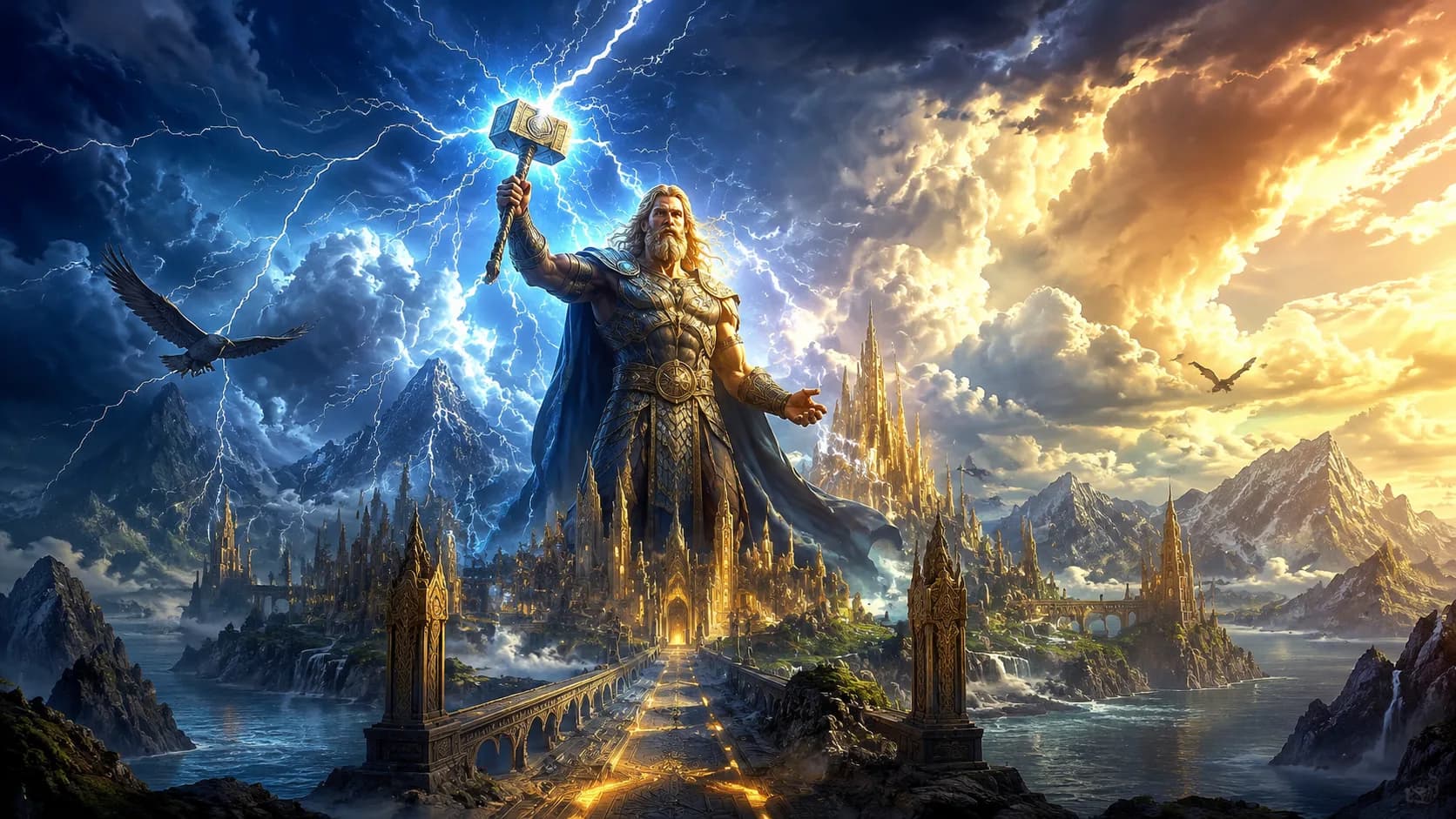
The Midgard Serpent (Jörmungandr), while technically a serpent rather than a dragon, shares many draconic characteristics in Norse cosmology. This enormous creature encircles the entire world, biting its own tail in the ouroboros symbol representing eternity, cycles, and the interconnection of all things. Thor's legendary encounters with Jörmungandr represent the ongoing struggle between order and chaos, civilization and wild nature, that defines existence itself.
Norse dragons symbolize not just challenges to overcome but repositories of ancient knowledge and cosmic wisdom. The dragon slayer doesn't merely face a challenge but gains profound understanding, transformative power, and heroic status that elevates them above ordinary mortals. This theme of transformation through confronting primordial forces connects Norse dragon mythology to deeper psychological and spiritual journeys that continue resonating in modern storytelling and personal development traditions.
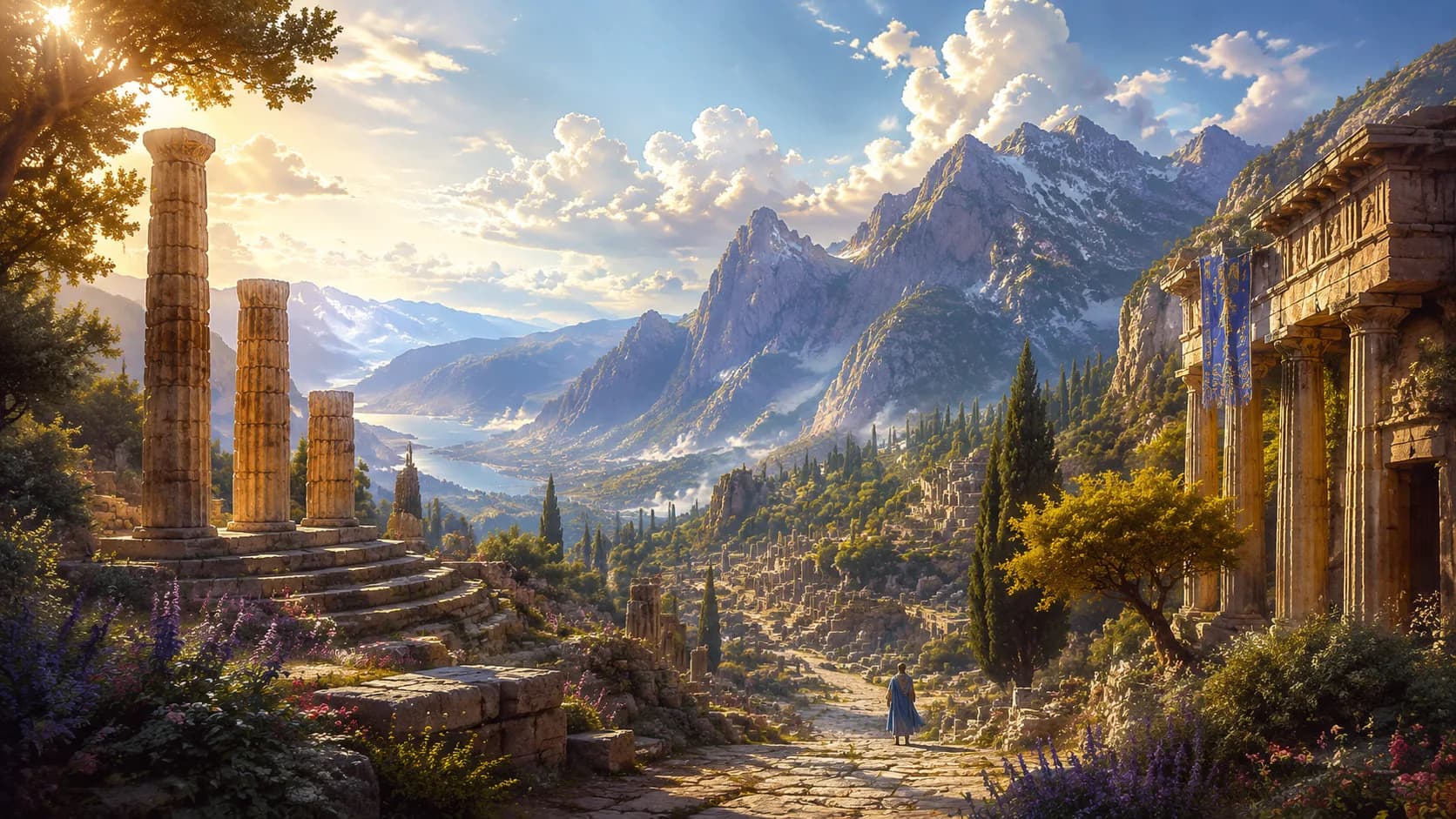
Read more: The Mysteries of Delphi and the Oracle Experience
"Tiamat tried yoga once, but creating the universe from your body is the ultimate stretch goal."
Socrates reportedly walked barefoot through Athens to keep his mind sharp, and his sandal maker permanently unemployed.
Middle Eastern Dragons: Tiamat and Creation Myths
Ancient Mesopotamian mythology features some of history's oldest dragon legends, with Tiamat representing primordial chaos as a goddess depicted as a sea serpent or dragon in the Enuma Elish creation epic (circa 2000 BCE). Tiamat embodied the salt waters that existed before creation, while her consort Apsu represented fresh waters. Their union produced the first gods, establishing dragons as primordial beings present at reality's very foundation, preceding even the divine pantheon.
The young god Marduk confronted Tiamat when she threatened to unmake creation itself. Through cunning and divine power, Marduk transformed Tiamat, using her form to create the heavens and earth her upper body becoming the sky, her lower body the land, her eyes the sources of the Tigris and Euphrates rivers. This myth establishes creation itself arising from the transformation of a primordial dragon, positioning these creatures as fundamental to Mesopotamian cosmology and the ordered universe emerging from primordial chaos.
Visionaria Insight
By immersing ourselves in these historical soundscapes, we reconnect with a timeless human tradition of storytelling and mental restoration.
Egyptian mythology includes Apep (Apophis), the serpent of chaos who eternally opposes the sun god Ra during his nightly journey through the underworld. Each dawn represents Ra's triumph over Apep's attempts to swallow the sun and plunge the world into eternal darkness. This cyclical conflict symbolizes the ongoing struggle between order and chaos, light and darkness, that defines existence themes central to ancient Egyptian philosophy and spiritual practices.
Persian mythology features the dragon Aži Dahāka, a three headed serpent representing tyranny, lies, and forces that the hero Fereydun imprisoned in Mount Damāvand. This creature's eventual escape and final confrontation symbolize apocalyptic themes and the ultimate triumph of good over forces of chaos. The Zoroastrian tradition positions dragons within a cosmic dualism where light challenges darkness, truth opposes falsehood, and divine order ultimately prevails over chaos philosophical frameworks that influenced later religious and mythological traditions.
These Middle Eastern dragon myths profoundly influenced Western and Near Eastern cultures, spreading through trade routes, conquests, and cultural exchange. The image of the serpent dragon as primordial chaos, the creator transformed into creation, and the eternal opponent of solar deities appears throughout Mediterranean, European, and Asian mythologies, demonstrating how ancient Mesopotamian and Egyptian dragon symbolism shaped humanity's archetypal storytelling traditions across millennia and continents.
"Quetzalcoatl's fashion sense was ahead of its time feathers and scales? Talk about a bold accessory choice."
An Epicurean, a Stoic, and a Cynic walk into a garden. The bartender says, 'Is this some kind of philosophical joke?'
Mesoamerican Feathered Serpents: Quetzalcoatl
Mesoamerican civilizations developed unique dragon mythology centered on the feathered serpent, most famously embodied by Quetzalcoatl among the Aztecs and Kukulkan among the Maya. These divine dragons combine serpent and bird features, representing the union of earth and sky, matter and spirit, terrestrial and celestial realms. Quetzalcoatl translates to "feathered serpent" or "precious serpent," emphasizing both the creature's serpentine dragon nature and its association with the sacred quetzal bird's brilliant plumage.
Did You Know?
The relentless drive to understand the world was seen not just as an academic pursuit, but as a spiritual and healing practice by the ancients.
Unlike European or Asian dragons, Quetzalcoatl represents a complex deity embodying creation, wisdom, wind, and the morning star (Venus). Aztec mythology credits Quetzalcoatl with creating humanity, teaching agriculture and crafts, establishing the calendar, and bringing culture and civilization to the world. This beneficent role positions the feathered serpent as a culture hero and divine teacher rather than a challenge to overcome, reflecting Mesoamerican spiritual philosophy emphasizing harmony between natural and supernatural realms.
The architectural marvel of El Castillo at Chichen Itza demonstrates the feathered serpent's central importance in Maya culture. During the spring and autumn equinoxes, sunlight creates the illusion of a serpent descending the pyramid's staircase, its triangular shadow segments appearing to slither down the balustrade toward the carved serpent heads at the base. This astronomical alignment showcases the sophisticated integration of dragon mythology with cosmic cycles, architecture, and ceremonial practices in Mesoamerican civilization.
Aztec cosmology describes Quetzalcoatl's transformation and eventual journey to the eastern ocean, where he immolated himself to become the morning star, promising to return. This myth of the divine dragon's cyclical departure and return influenced Mesoamerican history when Spanish conquistadors arrived some indigenous peoples initially interpreted Hernán Cortés as Quetzalcoatl's return, demonstrating how powerful mythological narratives shape cultural responses to transformative historical events.
The feathered serpent tradition extends beyond Aztec and Maya cultures, appearing in Olmec, Toltec, and other Mesoamerican civilizations dating back thousands of years. Archaeological sites throughout Mexico and Central America feature serpent iconography, demonstrating this dragon archetype's enduring significance as a symbol of divine power, cosmic order, and the sacred connection between humanity and the forces governing existence. Modern Mexican and Central American cultures continue honoring these ancient dragon traditions through festivals, art, and spiritual practices.
"The Grootslang never forgets where it buried its treasure it has an elephant's memory, after all."
A Roman walks into a bar, holds up two fingers, and says, 'Five beers, please.'
African Dragon Mythology
African mythology features diverse dragon-like creatures reflecting the continent's vast cultural richness and geographical diversity. While less widely known than Asian or European dragon traditions, African dragon myths offer unique perspectives on these legendary beings' symbolism and cultural significance. The Ninki Nanka of West African Mandinka folklore represents a legendary dragon dwelling in rivers and swamps, described as a massive serpentine creature with a horse like head, scales, and tremendous size that inspires both fear and respect among local communities.
Ancient Egyptian mythology, while geographically North African, profoundly influenced African and Mediterranean cultures with serpent dragon figures like Apep (Apophis) and the protective serpent goddess Wadjet. The uraeus a stylized cobra adorning pharaohs' crowns symbolized divine authority and protection, demonstrating how serpent dragon imagery represented both threatening chaos and protective power in ancient Egyptian culture.
Ethiopian tradition includes the Ayida Weddo, a rainbow serpent associated with fertility, creation, and the sacred union of sky and earth. This dragon-like deity appears in both African traditional religions and evolved forms within African diaspora traditions like Vodou, where Ayida Weddo represents the rainbow connecting divine and earthly realms. The persistence of these dragon traditions across continents and through cultural transformations demonstrates their profound symbolic power and adaptability to different cultural contexts.
Visionaria Insight
By immersing ourselves in these historical soundscapes, we reconnect with a timeless human tradition of storytelling and mental restoration.
Southern African traditions feature the Grootslang, a legendary creature combining elephant and serpent features, dwelling in deep caves and guarding treasure. This unique dragon variation reflects the region's actual fauna while maintaining classic dragon characteristics immense size, cave dwelling, treasure guarding, and representing ultimate challenges. The Grootslang's hybrid nature part land beast, part serpent demonstrates how dragon mythology adapts to local environments and cultural imagination.
African dragon mythology emphasizes water associations, transformation, and the balance between creative and destructive forces themes common across global dragon traditions but expressed through distinctly African cultural lenses. These dragon stories often connect to initiation rites, seasonal cycles, and the relationship between human communities and natural forces, demonstrating how dragon mythology serves as metaphorical frameworks for understanding life's fundamental mysteries and challenges across all human cultures.
"Dragons are basically nature's life coaches they test you, challenge you, and if you survive, you're definitely transformed."
Why did the Stoic cross the road? Because it was the rational thing to do, and he was indifferent to the traffic.
Dragon Symbolism Across Cultures
Despite vast geographical separation and cultural differences, dragon mythology shares remarkable symbolic themes across civilizations. Dragons universally represent primordial power the raw forces of nature, creation, and transformation that existed before human civilization and continue operating beyond human control. Whether manifested as Chinese fortune bringers, European treasure guardians, or Mesopotamian chaos embodiments, dragons symbolize powers transcending ordinary existence and connecting humanity to divine or cosmic forces.
The transformation theme appears consistently across dragon myths. Dragons themselves often transform Fáfnir from dwarf to dragon through greed, carp to dragons through perseverance, or divine beings taking dragon form. Dragon encounters transform heroes who gain wisdom, power, or enlightenment through confronting these legendary beings. This emphasis on transformation positions dragons as catalysts for profound change, representing life's challenges that either destroy us or elevate us to new levels of capability and understanding.
Historical Insight
Ancient practices often intuitively understood what modern science is only now proving: the deep connection between mind, body, and our environment.
Water associations connect dragons across Eastern and African traditions, while European dragons often inhabit caves or mountains. This geographical division reflects different environmental relationships agricultural societies dependent on rainfall revered water controlling dragons, while pastoral or mountainous societies saw dragons as guardians of remote, dangerous places. Both manifestations emphasize dragons' connection to natural forces essential for survival yet potentially overwhelming and transformative when unbalanced.
The wisdom motif positions dragons as keepers of ancient knowledge, cosmic secrets, or sacred treasures representing enlightenment rather than mere material wealth. Norse dragons guard runes and prophecies, Chinese dragons embody cosmic principles, and many traditions describe dragons as impossibly old beings who witnessed creation itself. This association between dragons and wisdom suggests these myths encode deep truths about reality, consciousness, and the human quest for understanding that transcends ordinary knowledge.
Dragons' liminal nature existing between categories like earth/sky, chaos/order, destruction/creation makes them powerful symbols of transition, initiation, and threshold crossing. Dragon encounters mark heroes' passages from ordinary to extraordinary status, representing the psychological and spiritual transformations everyone faces when confronting life's ultimate challenges. Modern psychology recognizes dragons as archetypal symbols of the shadow self, unconscious forces, or transformative crises that, when integrated rather than merely conquered, lead to profound personal growth and self-actualization.
"Your imagination is the only treasure you need to unlock."
A Roman walks into a bar, holds up two fingers, and says, 'Five beers, please.'
The Modern Dragon Legacy
Dragon mythology's influence on modern culture extends far beyond ancient texts and traditional folklore. Contemporary literature, film, gaming, and digital media continue exploring dragon archetypes, adapting ancient symbolism for modern audiences while maintaining these creatures' essential power to captivate human imagination. The dragon the treasure-hoarding dragon of classic high fantasy in a classic quest story and its epic fantasy sequel drew directly from Norse and Anglo Saxon dragon traditions, creating arguably the most influential modern dragon that inspired countless subsequent fantasy works.
Modern fantasy novels' dragons in a popular fantasy TV series combine multiple mythological traditions European fire breathing and destructive power, Eastern associations with divine legitimacy and imperial authority, and universal themes of transformation and rebirth. The series' dragons represent both weapons of conquest and symbols of returning magic to a world grown mundane, demonstrating how modern storytelling adapts ancient dragon mythology to explore contemporary themes of power, legacy, and transformation.
Did You Know?
The relentless drive to understand the world was seen not just as an academic pursuit, but as a spiritual and healing practice by the ancients.
Popular gaming franchises like Dungeons & Dragons, open-world fantasy games, and Monster Hunter feature elaborate dragon taxonomies distinguishing chromatic from metallic dragons, ancient from young, benevolent from malevolent. These games allow players to encounter dragons as ultimate challenges, allies, or complex characters with their own motivations and societies, transforming passive myth consumption into interactive experiences where participants shape dragon narratives through their choices and actions.
Dragons appear extensively in modern branding and symbolism corporate logos, national flags (Wales, Bhutan), sports teams, and cultural festivals worldwide. This commercial and civic adoption demonstrates dragons' continued symbolic power representing strength, wisdom, heritage, and aspiration. The Welsh flag's red dragon, Bhutan's Thunder Dragon, and countless other institutional dragons connect modern identities to ancient mythological traditions, providing cultural continuity and symbolic depth in an increasingly globalized world.
The enduring appeal of dragons in modern culture suggests these legendary creatures fulfill persistent psychological and spiritual needs. Whether representing ultimate challenges to overcome, sources of transformative wisdom, or symbols of our relationship with nature's awesome power, dragons continue serving functions they've fulfilled for millennia helping humans navigate existence's mysteries through imaginative narratives that make abstract concepts tangible, fearsome forces approachable, and transformation achievable through courage, wisdom, and perseverance.
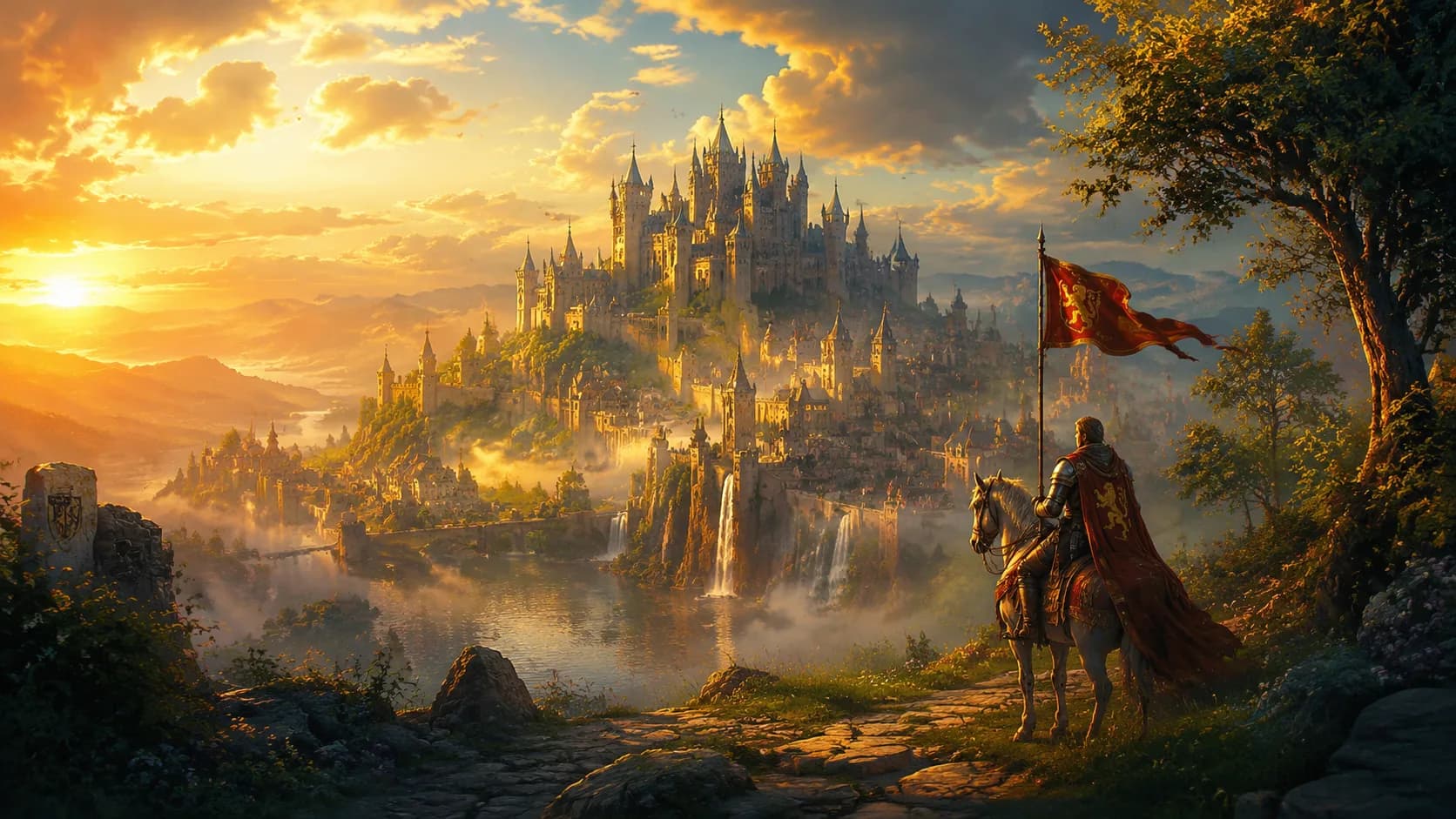
The Legend of King Arthur and the Knights of the Round Table
Explore the legend of King Arthur, the Knights of the Round Table, Excalibur, Merlin, and the quest for the Holy Grail.
Why did the ancient physician prescribe a long walk? Because he was tired of listening to the patient complain in his office.
Experience Dragon Mythology in Visionaria
Visionaria brings dragon mythology and the ancient worlds that created these legends to life through immersive audio experiences that transport you beyond reading about dragons to actually experiencing their legendary realms. Using spatial audio technology and cinematic storytelling, each journey places you within mythological landscapes where dragons soar, ancient civilizations thrive, and legendary tales unfold around you in vivid, three-dimensional sound.
Explore Atlantis, where ancient wisdom and legendary creatures existed in harmony before the island's transformation. Journey to Mount Olympus where gods and mythical beasts shaped the fate of heroes. Experience fantasy realms and legendary quests where dragon encounters mark heroes' greatest transformations.
Each Visionaria journey combines historical accuracy with imagination training, helping you develop the mental visualization skills that ancient myths have always encouraged. As you explore mythological worlds through guided audio experiences, you're not just learning about dragons you're developing cognitive abilities, reducing stress through cinematic meditation, and connecting with timeless stories that continue shaping human consciousness across cultures and generations.
Featured Dragon & Mythology Journeys
Key Insight
These historical figures didn't separate physical wellness from philosophical thought. To them, it was all one continuous practice of living well.
Explore where ancient deities and legendary creatures shaped mortal destinies
Discover Plato's legendary realm of advanced wisdom and mythical power
Interact with legendary dragon beings from world mythology
Journey through lands where modern dragon legends were born
If you're fascinated by Greek heroes and the ancient world, Visionaria's journeys through cities like Troy and Sparta offer a way in that goes beyond passive reading or viewing. Download the app today and begin your own legendary journey through the dragon filled realms that have captivated humanity for thousands of years.
Experience More with Visionaria
Download the app to explore guided historical and wellness journeys.
An Epicurean, a Stoic, and a Cynic walk into a garden. The bartender says, 'Is this some kind of philosophical joke?'
This article is for educational and informational purposes only. Historical details are based on available research and may evolve as new evidence emerges.
Visionaria journeys are designed for relaxation, guided imagination, and personal enrichment. They are not a substitute for medical, mental health, legal, or professional advice.