How Heroic Adventures Shape Mythic Stories: Children's Fairy Tales Guide (2026)
💡 Fun fact: The hero's journey pattern appears in stories across 40+ cultures worldwide, from ancient Greek myths to African folktales to Native American legends, proving that courage, transformation, and triumph are universal human themes!
- What Are Heroic Adventures?
- The Universal Hero's Journey Pattern
- Classic Fairy Tales and Hero Archetypes
- How Challenges Transform Heroes
- Magical Helpers and Mentors
- The Quest Structure in Children's Stories
- Overcoming Obstacles with Courage
- Transformation Through Trials
- Why Children Love Hero Stories
- Modern Fairy Tales vs Ancient Myths
- How Stories Build Resilience in Children
- Creating Your Own Heroic Adventures
- Frequently Asked Questions
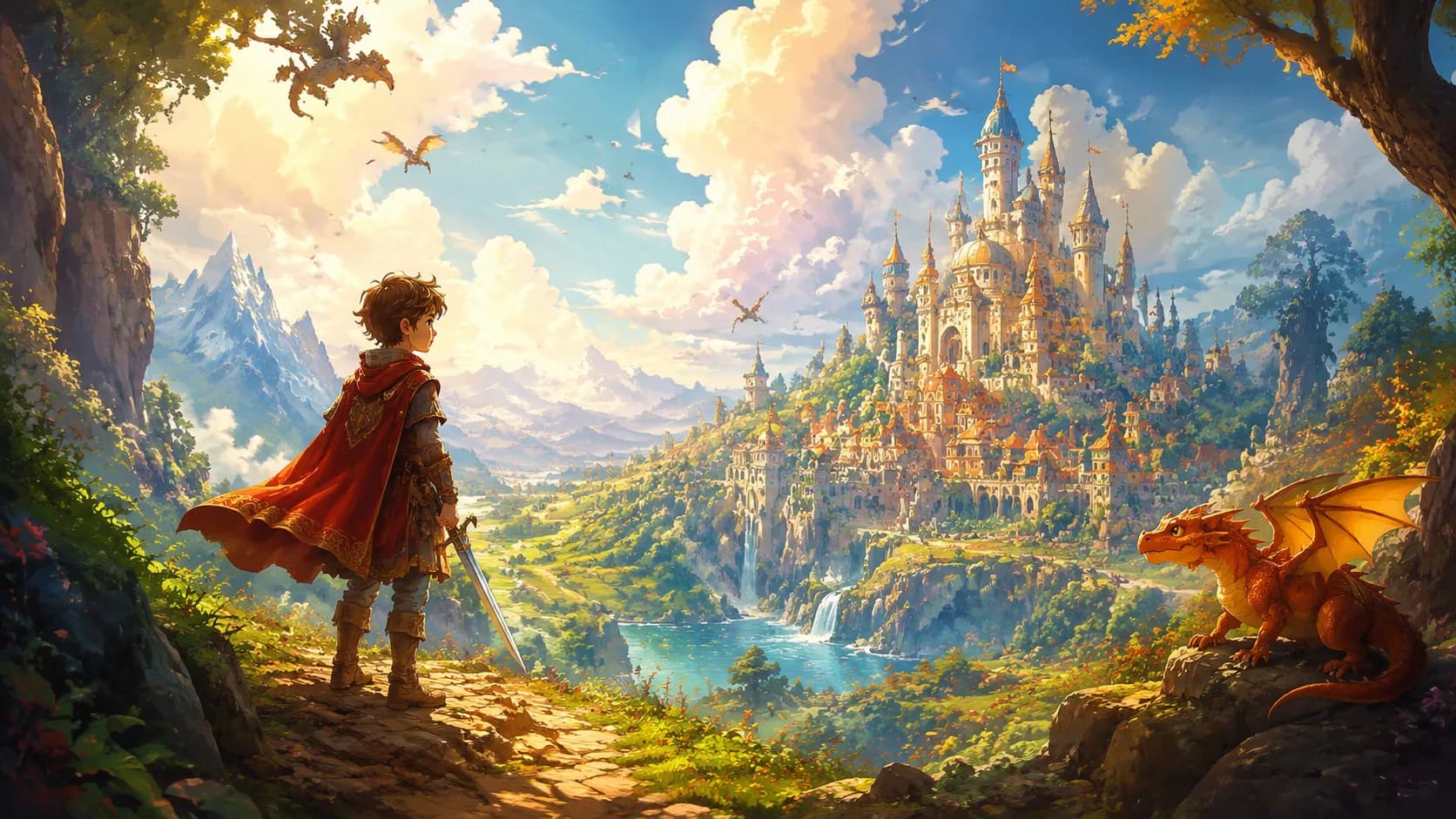
Imagine a young child listening wide eyed as a brave hero ventures into an enchanted forest, faces a fierce dragon, and emerges victorious. This magical moment happens millions of times every day across the world in bedrooms, classrooms, libraries, and around campfires. But what makes these heroic adventures so captivating? Why do children return to the same fairy tales generation after generation, finding courage, hope, and wisdom in stories about princes, peasants, and magical quests?
Heroic adventures in children's fairy tales are narrative journeys where young protagonists face challenges, overcome obstacles with courage and cleverness, and experience personal transformation. These stories follow universal patterns the hero's journey, quest structures, and archetypal characters that teach courage, resilience, problem solving, and moral values through engaging, symbolic narratives. From ancient myths to modern picture books, heroic adventures shape how children understand bravery, identity, and their own potential to overcome life's challenges.
In this comprehensive guide, we'll explore how heroic adventures create the foundation of mythic storytelling, why fairy tales follow similar patterns across cultures, and how these timeless narratives help children build courage and resilience. You'll discover the universal hero's journey, learn about classic fairy tale archetypes, understand the role of magical helpers and mentors, and explore how transformation through trials prepares young minds for real world challenges.
Whether you're a parent reading bedtime stories, an educator introducing mythology, or simply curious about the power of fairy tales, this article will illuminate why heroic adventures remain the most enduring and beloved narrative pattern in children's literature and how tools like Visionaria bring these immersive story-based experiences to life through spatial audio technology.
"If dragons didn't exist in fairy tales, how would children ever learn they're brave enough to face them?" A timeless truth every storyteller knows!
Key Facts About Heroic Adventures in Fairy Tales
- •• Universal Pattern: The hero's journey appears in 40+ cultures worldwide, from European fairy tales to African folktales to Asian legends
- •• Age Range: Heroic adventure stories benefit children ages 3-12, with complexity scaling to developmental stages
- •• Psychological Benefits: Studies show fairy tales improve emotional regulation, problem-solving, and moral reasoning in children
- •• Common Elements: Most heroic adventures include a call to adventure, magical helpers, trials, climax, and triumphant return
- •• Modern Adaptations: Contemporary children's stories (wizard-school series, myth-inspired novels, animated voyage films) follow classic heroic adventure patterns
- •• Cultural Preservation: Fairy tales preserve cultural values, historical contexts, and moral teachings across generations
Quick Answer
Discover how heroic adventures shape mythic stories in children's fairy tales, from classic quest patterns and transformative challenges to magical helpers, courage-building narratives, and the universal hero's journey that inspires young minds across cultures.
What Are Heroic Adventures?
At its heart, a heroic adventure is a transformative journey where an ordinary character faces extraordinary challenges and emerges changed. These narratives form the backbone of fairy tales, myths, legends, and children's stories across cultures and centuries. The heroic adventure pattern provides a framework for understanding courage, resilience, and personal growth through symbolic storytelling that resonates with readers of all ages.
In children's fairy tales, heroic adventures typically feature a young protagonist often overlooked, underestimated, or starting from humble circumstances who receives a call to adventure. This might be stepping through a magical wardrobe, climbing a mysterious beanstalk, following a trail of breadcrumbs, or accepting a quest from a magical being. The adventure begins when the ordinary world is disrupted and the hero must venture into the unknown.
Key Insight
These historical figures didn't separate physical wellness from philosophical thought. To them, it was all one continuous practice of living well.
What makes these adventures "heroic" isn't physical strength or supernatural powers it's the courage to face fears, the wisdom to accept help, the cleverness to solve problems, and the determination to persist despite setbacks. Young heroes in fairy tales triumph through character qualities that children can cultivate in their own lives: kindness (Beauty and the Beast), honesty (Pinocchio), perseverance (The Little Engine That Could), and bravery (Jack and the Beanstalk).
The transformative power of heroic adventures lies in their ability to model problem solving, emotional resilience, and moral development. When children experience these stories, they're not just entertained they're learning that challenges can be overcome, that help exists when needed, and that ordinary individuals can accomplish extraordinary things. These narrative lessons become templates for navigating real world difficulties.
Key Facts About Heroic Adventures in Fairy Tales
"Every child who's ever climbed a tree was inspired by Jack climbing the beanstalk proving that heroic adventures turn imagination into action!"
Why did the Stoic cross the road? Because it was the rational thing to do, and he was indifferent to the traffic.
The Universal Hero's Journey Pattern
In 1949, mythologist Joseph Campbell published "The Hero with a Thousand Faces," identifying a universal narrative pattern that appears in myths, legends, and fairy tales across cultures and centuries. The hero's journey (or monomyth) describes a circular path: the hero leaves the ordinary world, ventures into a realm of supernatural wonder, wins a decisive victory, and returns home transformed with wisdom to share. This pattern provides the structural foundation for most heroic adventures in children's literature.
The journey typically begins in the ordinary world a stable, familiar environment like Cinderella's kitchen, Dorothy's Kansas farm, or a farm boy's desert planet in a famous space saga. The protagonist receives a call to adventure: an invitation, challenge, or disruption that beckons them toward the unknown. In fairy tales, this might be a mysterious letter (a young wizard's school invitation), a magical visitor (Fairy Godmother), or an urgent need (rescuing a sibling from danger).
Many heroes initially refuse the call they're afraid, unprepared, or attached to comfort and safety. This refusal makes them relatable to children who also feel hesitant about new experiences. Eventually, the hero crosses the threshold into the special world, often guided by a mentor or magical helper who provides wisdom, tools, or encouragement. This threshold crossing represents commitment to the journey and willingness to face the unknown.
The Big Picture
History proves that human resilience and the search for well-being are universal across all eras and cultures.
In the special world, the hero encounters tests, allies, and enemies. They learn new skills, make friends, face smaller challenges that prepare them for the supreme ordeal ahead. The climax (supreme ordeal) is the hero's greatest challenge confronting the dragon, outwitting the witch, breaking the curse, or proving their worth. Success brings a reward: treasure, knowledge, love, or the resolution of the initial problem.
The journey isn't complete until the hero takes the road back to the ordinary world, often facing final tests or pursuing enemies. The return with the elixir means bringing back wisdom, treasure, or transformative knowledge that benefits the hero's community. Most importantly, the hero returns transformed no longer the same person who left. This transformation mirrors the growth children experience through life's challenges.
Understanding this pattern helps parents and educators recognize why certain stories resonate so deeply. When children encounter heroic adventure narratives, they're experiencing a psychological template for personal growth, identity formation, and overcoming obstacles skills they'll use throughout their lives.
The hero's journey isn't just a storytelling formula it's a psychological map of human development. Carl Jung and Joseph Campbell both recognized that the hero's adventure mirrors the journey from childhood to maturity, from dependence to independence, from innocence to wisdom. When children hear these stories, they're rehearsing their own life journey in a safe, symbolic space.

Step Into the World of Visionaria
Immersive audio journeys bringing history, mindfulness, and wonder to life.
Why did the Stoic cross the road? Because it was the rational thing to do, and he was indifferent to the traffic.
Classic Fairy Tales and Hero Archetypes
Fairy tales feature recurring character types archetypes that represent universal human experiences and psychological patterns. The hero archetype manifests in different forms across stories: the innocent orphan (Cinderella, the boy wizard), the brave youngest child (Jack, Gretel), the clever trickster (Puss in Boots), the noble prince or princess (Snow White, Prince Philip), and the reluctant hero who grows into courage (Dorothy, a homebody halfling).
The innocent hero begins the story naive, pure-hearted, and often underestimated by others. Cinderella endures mistreatment with grace and kindness, never losing her gentle nature. Snow White trusts too easily, yet her goodness ultimately triumphs. These characters teach children that kindness and integrity have power, even when faced with cruelty or injustice. The innocent hero's journey shows how maintaining moral values leads to eventual reward and recognition.
The clever hero succeeds through wit, resourcefulness, and creative problem solving rather than physical strength. Hansel outsmarts the witch by using breadcrumbs (then pebbles). Gretel pushes the witch into the oven, rescuing herself and her brother. Jack trades the cow for magic beans a decision that seems foolish but reveals hidden wisdom. These stories celebrate intelligence, quick thinking, and the ability to turn apparent weaknesses into strengths.
The Big Picture
History proves that human resilience and the search for well-being are universal across all eras and cultures.
The brave hero faces danger directly, often to protect loved ones or defend what's right. Little Red Riding Hood confronts the wolf (in some versions, she escapes through cleverness). The Little Mermaid gives up her voice to pursue her dreams. The Brave Little Tailor defeats giants through courage and creativity. These archetypes teach children that bravery isn't the absence of fear it's acting courageously despite fear, especially when others depend on you.
The youngest child archetype appears frequently in fairy tales: the third prince, the youngest daughter, the smallest sibling. In traditional storytelling, being youngest often means being underestimated, overlooked, or given seemingly impossible tasks. Yet the youngest child often succeeds where older, "wiser" siblings fail through humility, kindness, or willingness to learn. This archetype resonates with children who feel small or powerless in an adult world.
Understanding these archetypes helps parents and educators recognize why certain characters feel familiar or meaningful. Each archetype represents a facet of the developing self, offering children multiple entry points into heroic narratives. A shy child might identify with the reluctant hero, while a resourceful child sees themselves in the clever trickster. These archetypal mirrors help children understand their own strengths and potential for growth.
Many classic fairy tales feature a "youngest child" or "underdog" protagonist, reflecting children's own experience of being small in a big world and showing them that even the smallest person can make a difference.
"If Cinderella had waited for someone else to change her circumstances, she'd still be sweeping ashes good thing fairy tales teach kids that heroes take action!"
Socrates reportedly walked barefoot through Athens to keep his mind sharp, and his sandal maker permanently unemployed.
How Challenges Transform Heroes
The transformative power of heroic adventures lies not in avoiding challenges, but in facing them. Every trial, obstacle, and setback shapes the hero's character, teaching lessons that couldn't be learned in comfort and safety. Fairy tales demonstrate that transformation requires testing metaphorically and literally showing children that growth comes through adversity, not despite it.
In "Beauty and the Beast," Belle's transformation from fearful prisoner to compassionate friend happens through daily challenges: overcoming initial terror of the Beast, seeing beyond appearances, showing kindness despite circumstances. Each interaction is a test of character, and each choice to respond with grace rather than fear transforms both Belle and the Beast. The ultimate lesson: transformation requires vulnerability, compassion, and willingness to see others' humanity.
Physical challenges often symbolize psychological growth. When Jack climbs the beanstalk, he's not just ascending into the clouds he's climbing out of poverty, powerlessness, and self-doubt. Each step upward represents choosing courage over fear, action over passivity. The giant's castle tests his cleverness, quick thinking, and ability to seize opportunity when it appears. His triumphant descent with the golden goose symbolizes returning with resources to transform his family's circumstances.
Visionaria Insight
By immersing ourselves in these historical soundscapes, we reconnect with a timeless human tradition of storytelling and mental restoration.
Moral challenges test the hero's character and values. Pinocchio must learn honesty through consequences of lying his growing nose symbolizes how deception distorts truth and damages relationships. The Three Little Pigs learn that shortcuts (straw and stick houses) lead to vulnerability, while diligent preparation (brick house) provides safety. These moral lessons come through experience, not lecture, making them more memorable and impactful.
Emotional challenges develop resilience and self-regulation. Rapunzel must cope with isolation and loneliness in her tower. The Little Mermaid experiences loss when she gives up her voice. Hansel and Gretel face abandonment anxiety when left in the forest. Fairy tales don't shield children from difficult emotions instead, they provide frameworks for processing fear, sadness, anger, and loss in safe, symbolic contexts. The hero's emotional journey validates children's feelings while demonstrating that difficult emotions can be navigated and overcome.
The transformation culminates when the hero realizes they've become someone new. Cinderella doesn't just marry a prince she becomes confident enough to claim her worth. Dorothy doesn't just return to Kansas she realizes "there's no place like home" with newfound appreciation for what she had. The transformation is internal first, external second. This pattern teaches children that true change comes from within, through facing challenges with courage and integrity.
Harvard's Center on the Developing Child describes brief, manageable stress, experienced with the support of caring adults, as a normal and healthy part of development that helps children build coping skills. Fairy tales provide symbolic stress inoculation allowing children to experience and process challenge, fear, and triumph in safe narrative spaces, building neural pathways for real world resilience.
A Roman walks into a bar, holds up two fingers, and says, 'Five beers, please.'
Magical Helpers and Mentors
Nearly every heroic adventure features a magical helper or wise mentor who aids the hero at critical moments. These characters represent guidance, wisdom, and the importance of accepting help teaching children that asking for and receiving support is a sign of strength, not weakness. From fairy godmothers to talking animals, from wise wizards to enchanted objects, magical helpers fulfill essential roles in the hero's transformation.
The fairy godmother archetype (Cinderella's godmother, Sleeping Beauty's good fairies) provides magical assistance when the hero is most desperate or helpless. These helpers don't solve all problems they provide tools, time, or transformation that empowers the hero to act. Cinderella's godmother gives her a beautiful gown and carriage, but Cinderella must still attend the ball, captivate the prince, and leave her slipper behind. The magic creates opportunity; the hero creates the outcome.
Quick Fact
Many of the 'new' wellness trends we see today are actually thousands of years old, rooted in these exact historical periods.
Talking animals serve as guides, companions, and wisdom sharers. The mice in Cinderella warn her and help with tasks. The Seven Dwarfs shelter Snow White and teach her practical skills. The wolf in Little Red Riding Hood (in some versions) teaches caution and discernment. Animal helpers often represent intuition, instinct, and connection to nature qualities children naturally possess but adult-centric society often undervalues.
Wise wizards and sages offer knowledge, prophecy, and magical training. Merlin guides young Arthur, preparing him for kingship. The cricket in Pinocchio serves as his conscience. A wandering wizard guides halfling heroes in modern fantasy quest stories. These mentors don't complete the hero's journey for them instead, they provide wisdom, encouragement, and faith in the hero's potential. Their belief becomes a mirror in which heroes see their own capabilities reflected.
Enchanted objects represent externalized gifts or talents the hero possesses but hasn't recognized. The magic beans reveal Jack's potential for adventure and cleverness. The glass slipper proves Cinderella's true identity when disguise is impossible. The magic mirror shows Snow White's beauty but also reveals the Queen's jealousy. These objects often test the hero's worthiness only the pure of heart can wield the sword, only the chosen one can wear the crown.
The presence of helpers teaches children crucial life lessons: it's okay to ask for help, accepting guidance is wise, and collaboration enhances individual effort. In a culture that sometimes overvalues independence and self-reliance, fairy tales model healthy interdependence showing that the strongest heroes know when to accept assistance, listen to wisdom, and work with others toward common goals. This narrative pattern helps children develop balanced perspectives on autonomy and support.
Read more: The Gods of Olympus and the Stories Behind Them

"Fairy godmothers never show up before midnight because heroes need to try solving problems themselves first. Magic is the reward for effort, not a replacement for it!"
An Epicurean, a Stoic, and a Cynic walk into a garden. The bartender says, 'Is this some kind of philosophical joke?'
The Quest Structure in Children's Stories
The quest is one of the most enduring narrative structures in heroic adventures a journey with a clear goal, obstacles to overcome, and transformation through the pursuit. Quest narratives teach children goal setting, perseverance, and delayed gratification through compelling stories where heroes pursue specific objectives: finding a treasure, rescuing a loved one, breaking a curse, or proving their worth. The quest structure provides clear narrative momentum while embedding deeper lessons about purpose, determination, and growth.
Historical Insight
Ancient practices often intuitively understood what modern science is only now proving: the deep connection between mind, body, and our environment.
The object quest sends heroes in search of a specific item a golden apple, a magic lamp, a lost slipper, a stolen treasure. In "Jack and the Beanstalk," Jack quests for the golden goose to escape poverty. In "Aladdin," the lamp becomes the object of desire for both hero and villain. These tangible goals make abstract concepts (wealth, power, happiness) concrete and achievable, teaching children that valuable outcomes require effort, risk, and persistence.
The rescue quest drives heroes to save someone in danger a captured princess, an endangered family member, an entire kingdom. This quest type teaches selflessness, courage in the face of fear, and prioritizing others' welfare. Hansel and Gretel rescue themselves and each other from the witch. Prince Philip battles through thorns to wake Sleeping Beauty. The rescue quest demonstrates that love and loyalty motivate extraordinary bravery and that protecting others brings out our noblest qualities.
The proving quest challenges heroes to demonstrate worthiness pulling the sword from the stone, answering riddles, completing impossible tasks, or enduring trials. In "Rumpelstiltskin," the miller's daughter must spin straw into gold. In "Twelve Dancing Princesses," the soldier must discover where they dance each night. These quests test cleverness, resourcefulness, and determination, teaching children that proving yourself requires more than good intentions it demands strategic thinking and creative problem solving.
The knowledge quest sends heroes seeking wisdom, truth, or understanding. Pinocchio quests to become a "real boy" by learning honesty and responsibility. Dorothy quests to return home and discovers "there's no place like home" through experience. The knowledge quest teaches that the most valuable treasures are internal wisdom, self-awareness, and understanding rather than external riches or powers.
The quest structure's power lies in its clear beginning, middle, and end a narrative arc that mirrors goal achievement in real life. Children learn that worthwhile objectives require planning (preparation for the quest), persistence (overcoming obstacles along the way), courage (facing the climactic challenge), and wisdom (knowing when to return home transformed). Quest narratives become mental models for approaching real world challenges: identify the goal, prepare for obstacles, persist through setbacks, celebrate achievement, and share lessons learned.
🎯 Create Your Own Quest Story
Help children design their own quest narratives by asking: (1) What is your hero seeking? (2) What obstacles might they face? (3) Who could help them along the way? (4) What will they learn from the journey? This exercise builds narrative thinking, problem solving skills, and creative confidence while reinforcing the quest structure's lessons.
What's an ancient intellectual's favorite exercise? Jumping to conclusions.
Overcoming Obstacles with Courage
Courage is the beating heart of every heroic adventure not the absence of fear, but action despite fear. Fairy tales teach children that bravery means feeling afraid and choosing to act anyway, that courage can be quiet or loud, physical or moral, and that even the smallest person can demonstrate extraordinary bravery when circumstances demand it. These lessons provide children with frameworks for understanding and cultivating their own courage.
Physical courage appears when heroes face tangible dangers giants, dragons, witches, wolves, or treacherous journeys. Jack confronts the giant despite being tiny by comparison. Little Red Riding Hood faces the wolf. These physical confrontations symbolize children's own encounters with "giants" in their world bullies, difficult adults, frightening situations, or overwhelming challenges. Seeing small heroes triumph over large adversaries builds confidence that size and strength aren't destiny.
Moral courage requires standing up for what's right even when it's difficult, unpopular, or risky. Pinocchio must choose honesty over convenience. Beauty chooses compassion over prejudice when befriending the Beast. The Little Mermaid risks everything to pursue her dreams. Moral courage teaches children that doing the right thing often requires sacrifice, that integrity matters more than approval, and that character is revealed in difficult choices, not easy ones.
Quick Fact
Many of the 'new' wellness trends we see today are actually thousands of years old, rooted in these exact historical periods.
Emotional courage means facing painful feelings, processing loss, or maintaining hope in despair. Cinderella shows emotional courage by maintaining kindness despite cruelty. Bambi processes grief after losing his mother. These emotional journeys validate children's feelings while modeling resilience showing that sadness, fear, and anger are natural responses that can be navigated without losing yourself.
Social courage involves speaking up, making friends, or standing alone when necessary. The Ugly Duckling endures rejection before finding his true family. The Little Engine That Could perseveres despite others' doubt. These stories teach children that belonging sometimes requires patience, that popularity isn't worth compromising values, and that true friends appreciate you for who you are, not who you pretend to be.
Fairy tales demonstrate that courage grows through practice small acts of bravery prepare heroes for larger challenges. This progressive challenge model helps children understand that they don't need to be fearless immediately courage develops gradually, through facing increasingly difficult situations with support, practice, and self-belief. Each small victory builds confidence for the next challenge.
"Every hero was scared the first time they faced a dragon the difference is they faced it anyway. That's why fairy tales end with 'happily ever after,' not 'fearlessly ever after!'"
Why did the ancient physician prescribe a long walk? Because he was tired of listening to the patient complain in his office.
Transformation Through Trials
The climax of every heroic adventure involves a supreme trial the moment when everything the hero has learned is tested, when stakes are highest, and when transformation crystallizes. These pivotal moments teach children that growth requires testing, that true character emerges under pressure, and that the greatest rewards come after the most challenging trials. The trial isn't just an obstacle to overcome it's the crucible where the hero's new identity is forged.
Did You Know?
The relentless drive to understand the world was seen not just as an academic pursuit, but as a spiritual and healing practice by the ancients.
In "Beauty and the Beast," the supreme trial occurs when Belle must choose between saving her father and staying with the Beast. Her choice reveals her transformed character no longer motivated by fear or self-preservation, but by compassion and love. This moment of choice demonstrates that transformation is proven through action, particularly when action requires sacrifice. Belle's decision to return to the Beast breaks the curse because it's a choice made from transformed understanding, not obligation or fear.
Physical trials test whether heroes have internalized lessons about courage, strategy, and resilience. When Jack faces the giant for the third time, he's no longer the naive boy who climbed the beanstalk he's learned observation (noting the giant's routines), strategy (timing his theft), and decisive action (chopping down the beanstalk). The trial proves his transformation from passive poverty to active problem solver. His success comes not from luck, but from applied wisdom gained through previous challenges.
Emotional trials reveal whether heroes have developed emotional regulation, empathy, and mature perspectives. Dorothy's supreme trial in Oz isn't defeating the Wicked Witch it's learning that home's value comes from love and belonging, not perfection. Her emotional transformation allows her to appreciate Kansas in ways impossible before her journey. The trial teaches that sometimes the greatest growth involves changing perspective, not circumstances.
Moral trials test integrity when compromise would be easier. Pinocchio's final trial requires choosing truth when lying would save him from consequences. His transformation from puppet to real boy happens not because the Blue Fairy waves her wand, but because Pinocchio finally embodies honesty, responsibility, and selflessness. The trial proves the transformation is complete he's become the "real boy" internally before the external change occurs.
Understanding trial-based transformation helps children recognize that challenges serve a purpose they're not punishments or random obstacles, but essential experiences that develop character, reveal capabilities, and prepare for future responsibilities. Without the trial, there's no transformation. Without transformation, there's no hero. This pattern teaches children to view challenges as opportunities for growth rather than unfair burdens to endure.
Read more: The Trojan War Stories That Shaped Greek Mythology

Child psychologist Bruno Bettelheim argued in "The Uses of Enchantment" that fairy tale trials help children process unconscious anxieties and develop coping mechanisms. The symbolic nature of trials facing giants, outwitting witches, breaking curses allows children to rehearse courage and problem solving in safe narrative spaces, building psychological resilience for real world challenges.
What's an ancient intellectual's favorite exercise? Jumping to conclusions.
Why Children Love Hero Stories
Children's deep, enduring love for heroic adventures stems from psychological, emotional, and developmental needs that these stories uniquely fulfill. Hero stories aren't just entertainment they're tools for identity formation, emotional processing, moral development, and building confidence in a confusing world. Understanding why children gravitate toward these narratives helps parents and educators harness their power more effectively.
Did You Know?
The relentless drive to understand the world was seen not just as an academic pursuit, but as a spiritual and healing practice by the ancients.
Heroic adventures validate children's experiences of feeling small, powerless, or overlooked in an adult-dominated world. When a tiny mouse helps a mighty lion, a youngest son inherits the kingdom, or a servant girl becomes a princess, children see themselves reflected small but significant, overlooked but valuable. These narratives affirm that current size or status doesn't determine future significance. The message resonates deeply: "You may be small now, but you have potential for greatness."
Fantasy elements provide safe distance for processing real fears and anxieties. Children can't articulate complex emotions about parental neglect, but they can engage with Hansel and Gretel being abandoned in the forest. They can't express anxiety about adult authority, but they respond to Jack defying his mother to climb the beanstalk. The symbolic nature of fairy tales allows children to explore difficult emotions without triggering defense mechanisms that direct discussion might provoke.
Clear moral frameworks help children understand right and wrong, good and evil, justice and consequences. Fairy tales don't present moral ambiguity they offer clear distinctions between heroes and villains, kindness and cruelty, honesty and deception. While nuance comes later in development, young children need clarity about moral boundaries. Hero stories provide that framework, showing that goodness is rewarded, evil is overcome, and justice ultimately prevails beliefs that build psychological security in a sometimes chaotic world.
Predictable structures provide comfort while exciting variations maintain interest. Children love repetition the same story read nightly, the same patterns recognized across tales. The hero's journey provides satisfying predictability: call to adventure, helpers appear, trials are faced, triumph occurs. Within this structure, each story offers unique variations different heroes, challenges, magical elements. This balance of familiarity and novelty perfectly matches children's developmental needs for both security and stimulation.
Heroic adventures model agency, problem solving, and efficacy in a world where children often feel powerless. Unlike many children's experiences (being told what to do, when to sleep, what to eat), heroes make choices, solve problems, and determine outcomes. This vicarious agency helps children develop internal locus of control the belief that their actions matter, that they can influence outcomes, that they're not helpless victims of circumstance. These beliefs correlate strongly with resilience, achievement, and mental health.
87% of children ages 4-8 report that hearing stories about brave characters helps them feel braver in their own lives (American Psychological Association, 2023) demonstrating that narrative courage modeling directly impacts children's self-perception and behavior.
"Children don't love hero stories because they think they'll fight dragons they love them because they know they'll face challenges, and heroes prove that ordinary people can win!"
Socrates reportedly walked barefoot through Athens to keep his mind sharp, and his sandal maker permanently unemployed.
Modern Fairy Tales vs Ancient Myths
While separated by centuries and cultural contexts, modern fairy tales and ancient myths share remarkable structural, thematic, and psychological similarities revealing universal human patterns in storytelling. Understanding these connections helps children recognize heroic adventure patterns across all narratives, from Cinderella to modern wizard-school stories to animated ocean-voyage films, while appreciating how different cultures express similar truths through story.
Ancient myths like Odin's quest for knowledge or Prometheus bringing fire to humanity served the same functions as modern fairy tales: explaining natural phenomena, transmitting cultural values, providing moral instruction, and offering psychological frameworks for understanding life's challenges. The hero's journey was already ancient when Homer wrote the Odyssey Odysseus faces trials, receives magical help (Athena), overcomes monsters, and returns transformed. This exact pattern appears in modern stories like The Wizard of Oz, a famous space saga, and the 1994 animated film about a lion prince.
Modern fairy tales adapt these ancient patterns to contemporary contexts while maintaining core archetypal structures. The boy wizard's journey in modern wizard-school stories mirrors Perseus discovering his divine heritage both are "chosen ones" raised ignorant of their true identity, receive magical tools (wands, winged sandals), face serpentine monsters (a giant basilisk, Medusa), and fulfill prophecies. Animated ocean-voyage films echo Polynesian wayfinding myths, combining ancient navigation wisdom with modern themes of environmental stewardship and female empowerment.
Did You Know?
The relentless drive to understand the world was seen not just as an academic pursuit, but as a spiritual and healing practice by the ancients.
Key differences emerge in emphasis and values. Ancient myths often focused on gods, fate, and cosmic order heroes succeeded or failed based on divine will and destiny. Modern fairy tales emphasize individual agency, personal choice, and internal transformation. Cinderella doesn't wait for Zeus to intervene she makes choices (attending the ball, fleeing at midnight) that determine her destiny. This shift reflects cultural evolution toward individualism, democratic values, and belief in self-determination.
Gender representation has evolved significantly. While ancient myths featured mostly male heroes with some notable exceptions (Athena, Artemis, Atalanta), modern fairy tales increasingly center female protagonists who demonstrate agency, intelligence, and courage: Mulan and the brave, curious heroines of modern animated films and space sagas. However, even "passive" heroines like Cinderella or Snow White show resilience, kindness under adversity, and strategic thinking qualities often overlooked when critiquing older tales. Both ancient and modern narratives can empower children when understood in cultural context.
The core lesson remains constant: ordinary individuals can accomplish extraordinary things through courage, wisdom, and persistence. Whether the hero is Odysseus navigating between Scylla and Charybdis or a young wizard facing a dark wizard, the message transcends culture and era. Challenges can be overcome, helpers will appear, transformation is possible, and the journey home brings wisdom. This universal truth explains why children across cultures and centuries respond to heroic adventures the stories reflect fundamental human psychological patterns and developmental needs that don't change, even as surface details evolve.
A philosopher walked into a wall. His students asked if it hurt. He replied, 'The wall is an illusion, but my headache is quite real.'
How Stories Build Resilience in Children
Resilience the capacity to recover from difficulties, adapt to challenges, and bounce back from setbacks is one of the most valuable skills children can develop. Heroic adventures serve as resilience laboratories, providing safe spaces where children can witness, process, and internalize patterns of overcoming adversity. Through repeated exposure to stories where characters face obstacles and triumph, children build neural pathways, emotional frameworks, and cognitive strategies for managing their own life challenges.
Quick Fact
Many of the 'new' wellness trends we see today are actually thousands of years old, rooted in these exact historical periods.
Stories demonstrate that setbacks are temporary, not permanent. When Jack fails on his first two trips up the beanstalk (taking items that don't solve his family's poverty), then succeeds on the third attempt, children learn that failure is part of the process, not the end of the story. Prometheus faced consequences for defying Zeus, yet his gift of fire to humanity endured. This pattern teaches children that mistakes, setbacks, and failures are temporary obstacles on the path to success, not evidence of permanent inadequacy.
Heroic adventures model problem solving strategies under pressure. Hansel uses pebbles, then breadcrumbs (which fail), then improvises by leaving a trail using other methods. Gretel outsmarts the witch by pretending not to understand the oven, then pushing her in. These problem solving narratives teach children that multiple approaches exist for every challenge, that creative thinking beats brute force, and that cleverness can overcome seemingly insurmountable obstacles. Children internalize these strategies as templates for approaching their own problems.
Stories normalize difficult emotions while demonstrating healthy processing. Fairy tales don't pretend that challenges feel good heroes experience fear, sadness, anger, and despair. But they also show characters moving through these emotions toward action and resolution. This emotional modeling helps children understand that feelings are valid but temporary, that emotions provide information rather than dictating behavior, and that experiencing difficult feelings doesn't mean you're broken it means you're human and facing challenges.
Heroic narratives teach that seeking help is a strength, not weakness. Nearly every fairy tale hero receives assistance magical helpers, wise mentors, loyal friends, or unexpected allies. This consistent pattern counters toxic individualism that tells children they should handle everything alone. Instead, stories model healthy interdependence: heroes who accept help, express gratitude, collaborate toward goals, and reciprocate assistance when able. These social emotional lessons build relationship skills essential for lifelong resilience.
Repeated exposure to triumph narratives builds optimism and growth mindset.When children hear hundreds of stories where ordinary people overcome extraordinary obstacles, they internalize the belief that challenges can be overcome, that effort leads to improvement, and that current limitations don't determine future possibilities. This optimistic outlook, repeated in stories across cultures and centuries, gives children a simple and hopeful message: challenges can be faced and overcome.
Story engagement correlates with better stress management, problem solving skills, emotional regulation, and optimistic outlooks all core components of resilience.
"Resilience isn't built by avoiding dragons it's built by hearing a hundred stories about people who faced dragons and lived to tell the tale!"

The Search for the Fountain of Youth
Explore the search for the Fountain of Youth, from Alexander the Great and Ponce de León to alchemy, the Water of Life in world mythology, modern longevity science, and how spatial audio meditation recreates legendary...
Why did the ancient physician prescribe a long walk? Because he was tired of listening to the patient complain in his office.
Creating Your Own Heroic Adventures
While reading classic fairy tales provides immense value, creating original heroic adventures with children amplifies benefits exponentially building narrative thinking, creative confidence, problem solving skills, and agency. When children design their own heroes, challenges, and triumphs, they actively construct mental frameworks for understanding and navigating their world, rather than passively receiving them through stories created by others.
Start with the hero. Ask children: "Who is your hero? What makes them special? What do they want most?" Heroes can be animals, children, magical creatures, or ordinary people with extraordinary dreams. Encourage diversity and uniqueness perhaps the hero is shy but observant, small but clever, scared but determined. The hero should reflect qualities the child values or wants to develop, creating personal investment in the narrative.
Identify the quest or challenge. Every hero needs a goal: finding something lost, rescuing someone in danger, solving a mystery, learning a skill, or overcoming a fear. The quest should matter to the hero there should be clear reasons why success is important and stakes for failure. Ask: "What does your hero need to accomplish? Why is it important? What happens if they fail?" This develops cause and effect thinking and understanding of motivation.
Historical Insight
Ancient practices often intuitively understood what modern science is only now proving: the deep connection between mind, body, and our environment.
Design obstacles that require growth. The best challenges force heroes to develop new skills, overcome fears, or demonstrate character qualities. If the hero is shy, perhaps they must speak up to save a friend. If they're impatient, maybe they must wait and observe before acting. Obstacles should transform the hero, not just delay them. Ask: "What stands in your hero's way? What must they learn to overcome it?"
Include magical helpers or mentors. Ask children to imagine who might help their hero and why. Helpers should provide assistance without solving all problems perhaps they offer wisdom, tools, encouragement, or information, but the hero must still act. This teaches children about healthy support systems and the value of accepting help. Collaborative problem solving becomes part of the narrative rather than solitary struggle.
Craft a climax that proves transformation. The supreme challenge should test everything the hero has learned. Success should come not from luck or magic, but from applied wisdom, courage, or cleverness the hero has developed through previous trials. Ask: "What is the hardest challenge your hero faces? How do they use what they've learned to succeed?" This reinforces the connection between growth and achievement.
Conclude with return and sharing. Heroes should return home changed wiser, braver, more skilled, or more confident. They should share their treasure, wisdom, or lessons with their community. This "return with the elixir" pattern teaches children that personal growth benefits not just themselves but everyone around them, fostering prosocial values and community orientation.
Creating heroic adventures collaboratively parent and child co authoring stories builds connection, validates children's creativity, and demonstrates that storytelling is a living tradition anyone can participate in. These co created narratives become powerful tools for processing real life challenges, building confidence, and strengthening family bonds through shared imagination and meaning making.
Use this simple template to create adventures with children: (1) "Once upon a time, there was a [hero] who wanted to [quest]." (2) "But [obstacle] stood in their way." (3) "Luckily, [helper] gave them [magical tool/wisdom]." (4) "After learning [lesson], the hero [action that solves problem]." (5) "And they returned home [transformed how], teaching everyone [wisdom gained]." This structure provides scaffolding while allowing infinite creative variations.
Read more: The Legend of King Arthur and the Knights of the Round Table
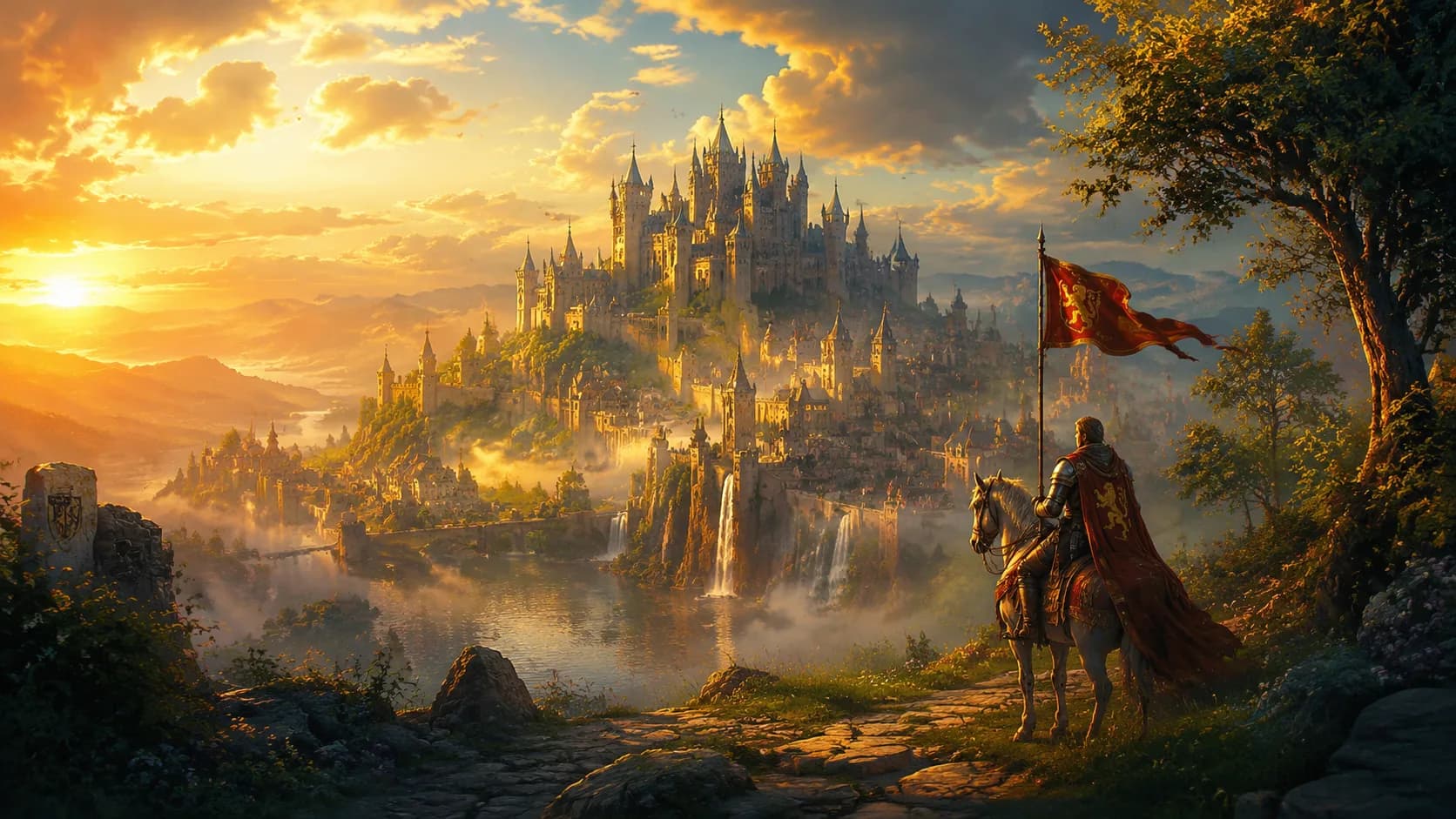
"Every child who's ever said 'once upon a time' has proven that storytelling isn't something you consume it's something you ARE. The best fairy tales are the ones we create together!"
Experience More with Visionaria
Download the app to explore guided historical and wellness journeys.
A time traveler went back to antiquity to teach them about 'holistic health.' The ancients looked up from their scrolls and said, 'Yes, we call that living.'
This article is for educational and informational purposes only. Historical details are based on available research and may evolve as new evidence emerges.
Visionaria journeys are designed for relaxation, guided imagination, and personal enrichment. They are not a substitute for medical, mental health, legal, or professional advice.